Top Digital Marketing Trends to Expect in 2026
As we head into 2026, Malaysia’s digital marketing landscape is evolving at a very fast pace. Powered by AI innovations, shifting consumer behaviour, and a growing demand for authenticity, the strategy for brand success is being rewritten. Whether you’re a startup or a seasoned business, understanding where things are headed can help you stay ahead and relevant.
Here are the key trends Malaysian brands should start preparing for now.
1. AI-Powered Personalisation Becomes Brand Standard
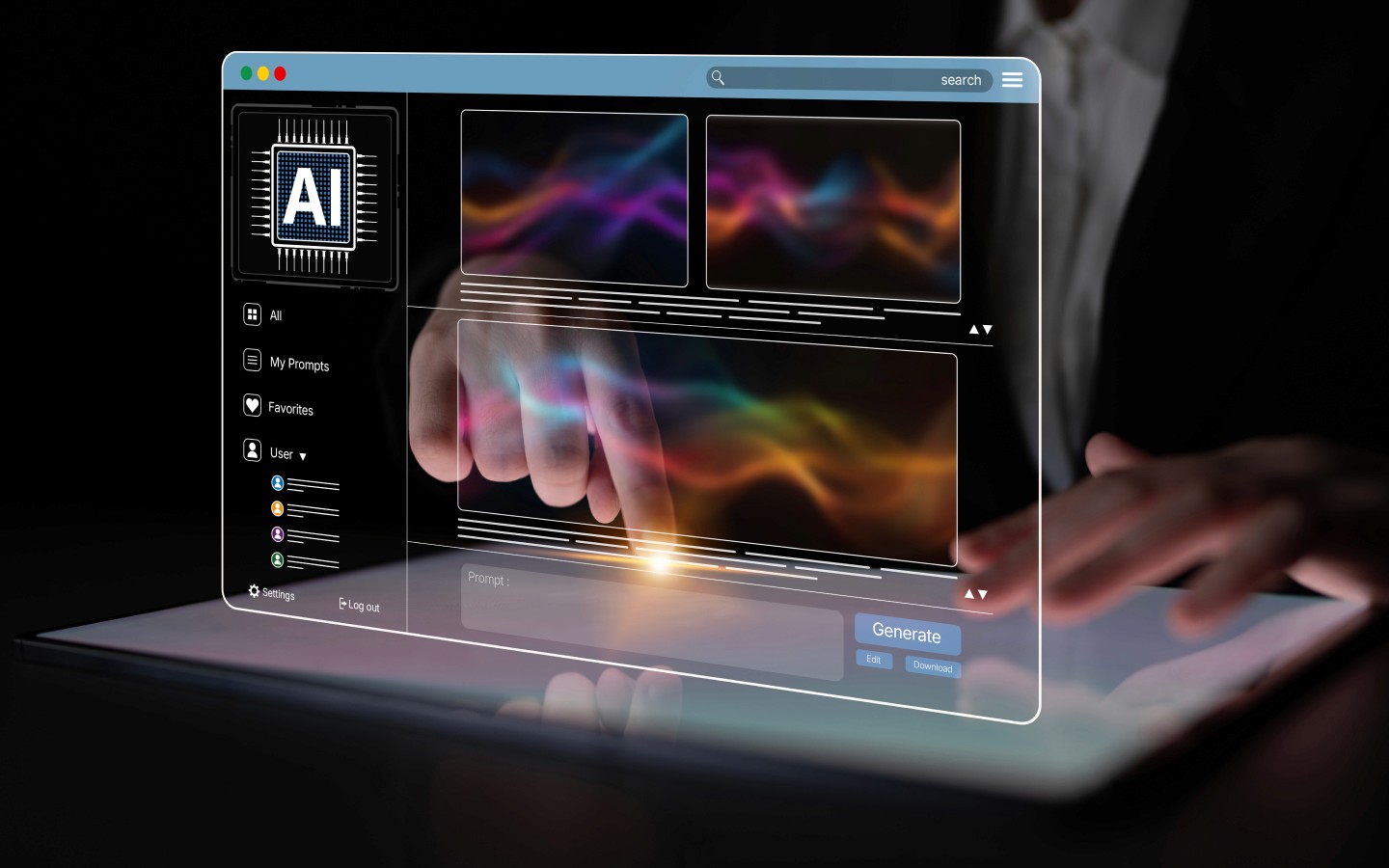
Artificial intelligence is no longer a futuristic tool. It’s the beating heart of modern marketing strategies. In 2026, brands in Malaysia will see AI stepping beyond simple product suggestions to generate real-time, hyper-relevant content tailored to user behaviour, mood, and intent.
Think Netflix-style dynamic thumbnails, or Grab tweaking offers based on time, location, and order history. Even SMEs will be able to access affordable AI tools that auto-customise copy, images, or video hooks for different audience segments.
✅ Why it matters: AI enables brands to scale personalisation without scaling costs.
2. Short-Form Video Is Still King

Malaysians spend over three hours daily on their phones and much of it is spent on watching short-form content. Platforms like TikTok, Instagram Reels, and YouTube Shorts will continue to dominate, but brands will need to do more than just show up.
In 2026, expect a rise in:
Narrative loops: Stories that keep viewers watching past the first three seconds.
Product integration via memes, skits, or trending audio: The less “ad-like,” the better.
AI-enhanced edits: Auto-captioning, generative transitions, and motion-matched music sync.
✅ Why it matters: Short-form videos are not just for awareness anymore. They’re driving full-funnel results.
3. Purpose-Driven Brands Win Loyalty

Gen Z and millennial consumers in Malaysia are more informed, and more sceptical. They’re actively researching what brands stand for, not just what they sell.
In 2026, the most successful brands will be those that demonstrate genuine, ongoing commitment to sustainability beyond Earth Day lip service. Customers are also paying attention to local community impact and whether brands embrace diversity in a real, visible way. Companies that stick to surface level or performative CSR messaging will fall behind.
✅ Why it matters: Brand values aren’t a section in your website footer, they’re part of the buying decision.
4. Localised & Multi-Platform Experiences Are Non-Negotiable
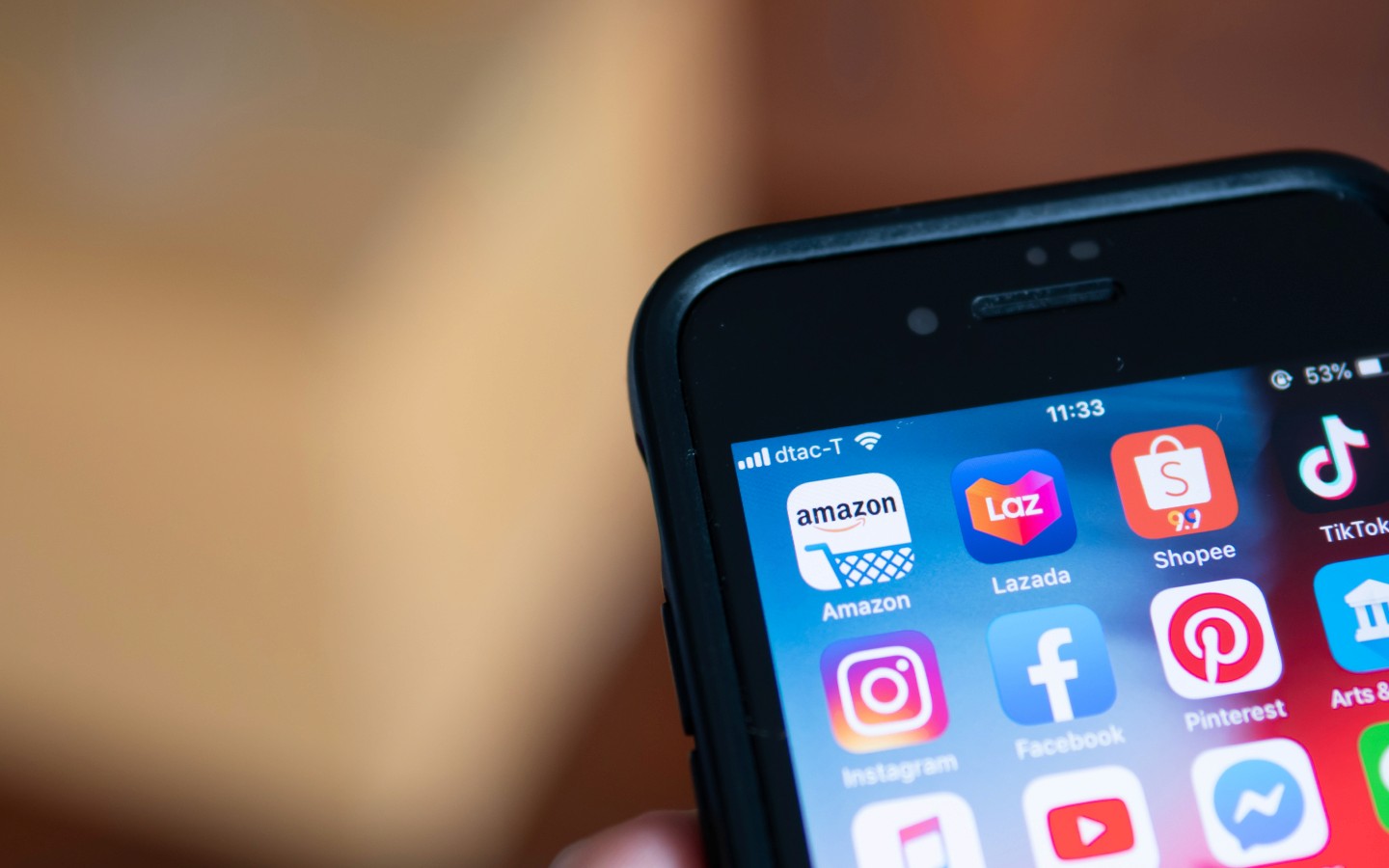
Today’s consumers also expect a connected, consistent experience across multiple platforms. Whether they’re clicking through a Facebook ad, browsing on Shopee or Lazada, walking into a physical store, or chatting on WhatsApp or TikTok Shop, the journey should feel seamless. This is especially true for Malaysian shoppers in particular, who respond well to hyper-local cues such as local slang, festive promotions, or region-specific delivery promises.
✅ Why it matters: Omnichannel doesn’t mean just showing up on every platform. It means creating cohesive narratives across them all.
5. Voice and Visual Search Are Gaining Ground
With smart speakers, AI companions, and visual apps (like Pinterest Lens and Google Lens) becoming more widespread, Malaysians are gradually shifting from typing queries to speaking or snapping them.
In 2026:
Voice search will affect how we write product titles, FAQs, and featured snippets.
Visual search will drive demand for clearer product images, clean UIs, and alt-text optimisation.
Brands that adapt SEO content to be visually appealing or to sound conversational will dominate emerging discovery channels.
✅ Why it matters: If your content isn’t search-ready for eyes and ears, you’re missing a chunk of the market.
6. Interactive Content Replaces Passive Scrolling
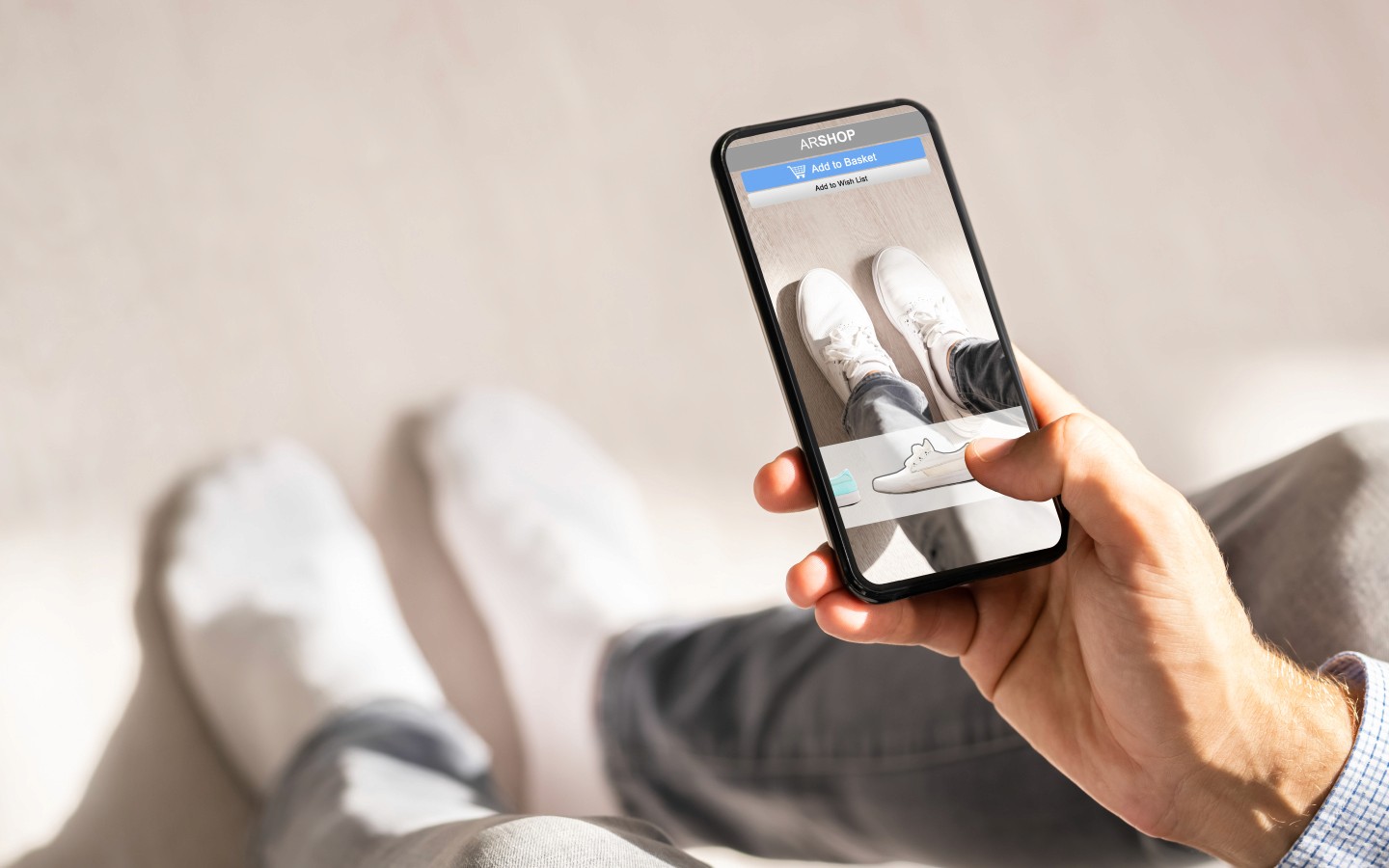
Content alone isn’t enough. Malaysian audiences want to participate. Interactive formats such as AR try-ons for beauty, home, or even food products; polls, mini games, and choose-your-own-story campaigns are set to boost both engagement and conversions. Sephora Malaysia’s virtual try-on tool and Shopee’s gamification campaigns both show how interactive formats are already driving deeper engagement and higher conversions. By 2026, more brands will gamify their experiences, especially on mobile.
✅ Why it matters: Interaction equals retention. And retention drives repeat revenue.
7. The Rise of Micro-Creators and UGC 2.0
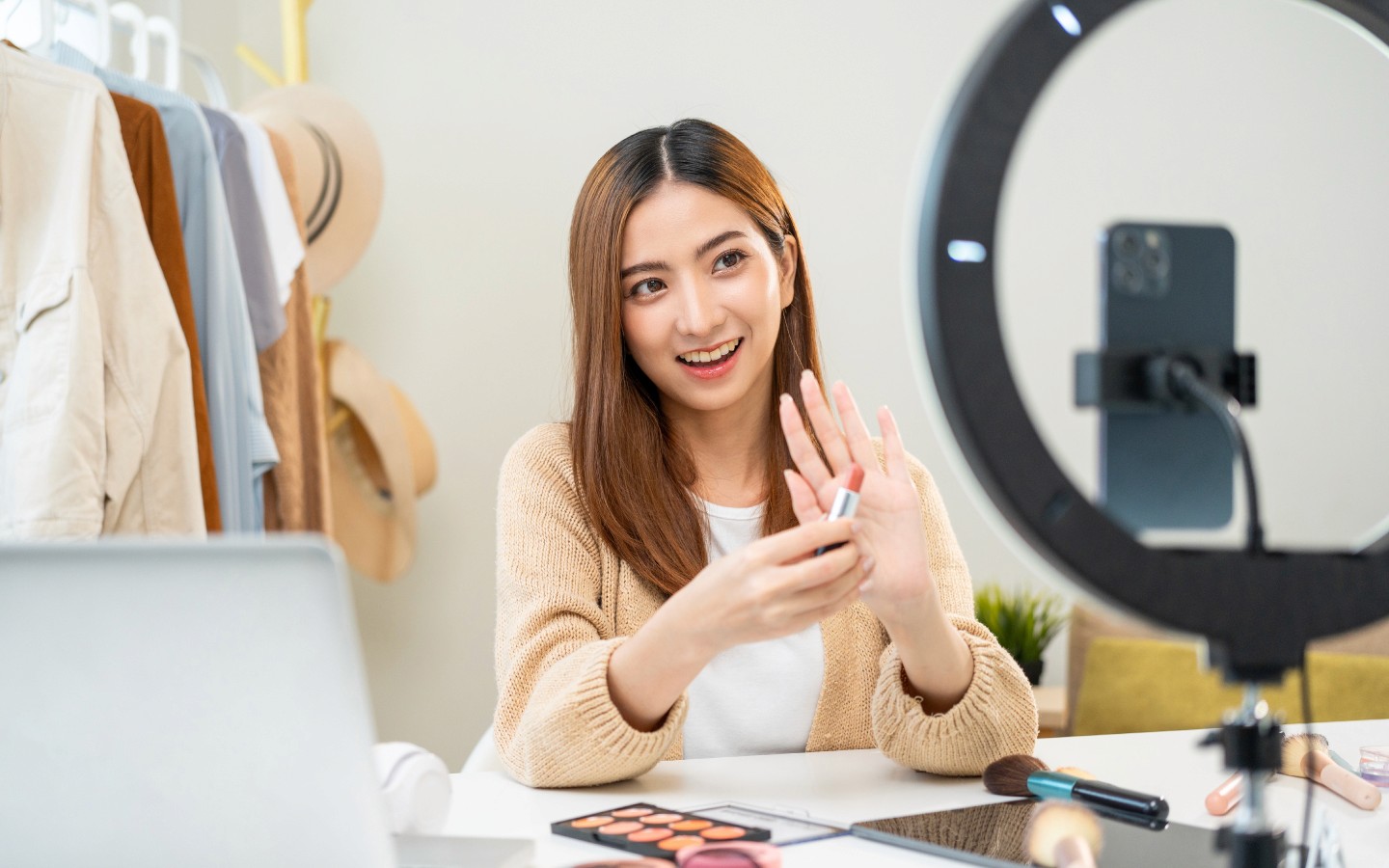
Influencer marketing is maturing. Instead of engaging macro-influencers with polished feeds, brands in 2026 will focus on micro-creators with niche but deeply loyal audiences.
User-generated content (UGC) will evolve from testimonials to mini stories, live unboxings, and real-time Q&A hosted by fans. TikTok creators with 5K–20K followers might drive more meaningful conversions than a celebrity collaboration.
✅ Why it matters: Authenticity is the new algorithm. UGC and micro-creators are the most believable storytellers.
8. AI as Your Brand's Creative Wingman
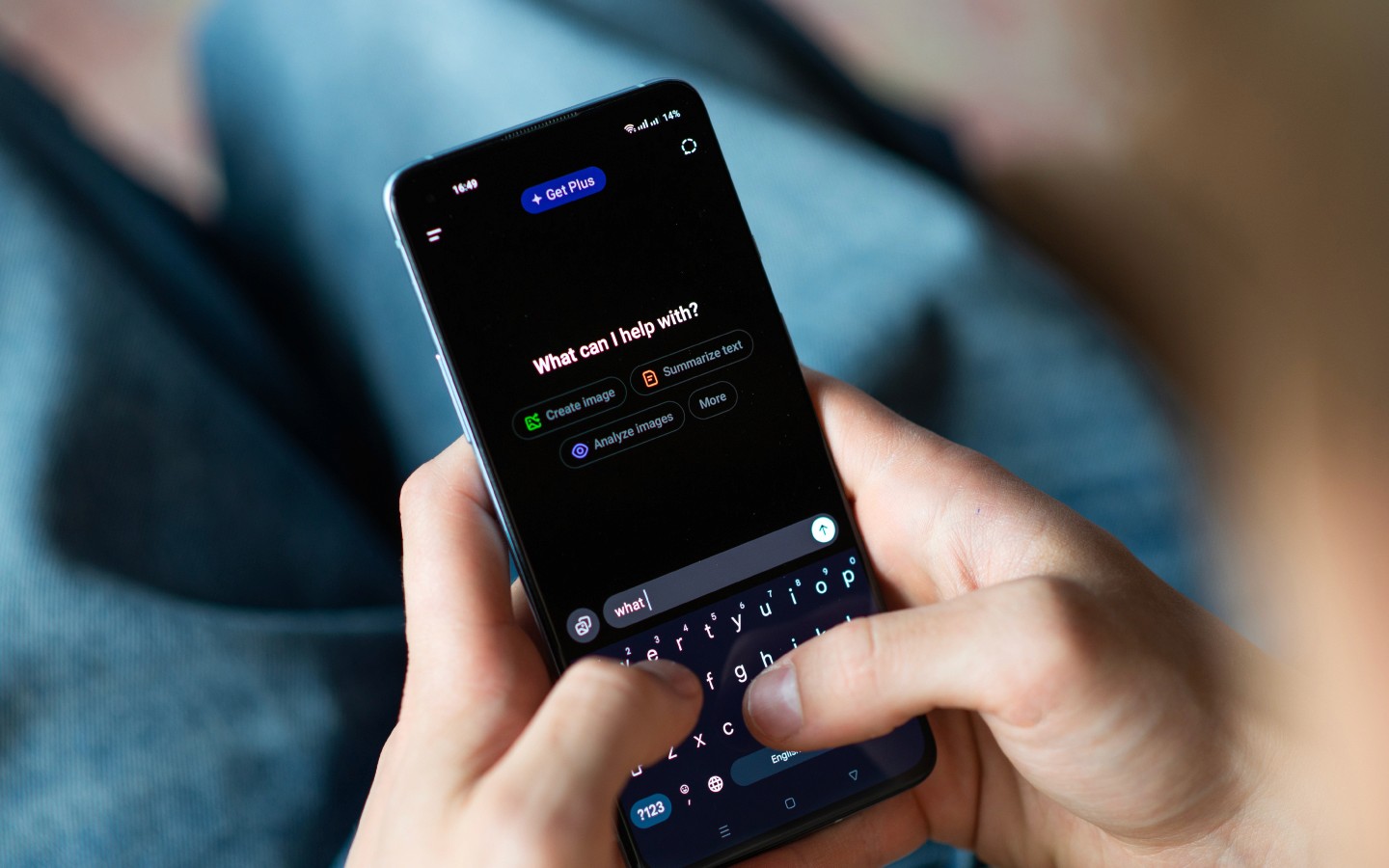
No, AI won’t replace your marketing team, but it will change how they work. In 2026, we’ll see AI tools that can suggest high-performing hooks, draft content in brand voice, edit videos on the fly, generate synthetic voiceovers, and even forecast campaign performance. The smartest marketers will use these tools to test faster, scale smarter, and ideate more efficiently… while still grounding their creative strategy in human instinct.
✅ Why it matters: Leveraging AI isn’t cheating, it’s competing smart.
Marketing in 2026 Is Less About Channels, More About Connection
As technology evolves, the tools may change too but the goals remain the same: building trust, inspiring action, and creating lasting value. In Malaysia’s vibrant digital ecosystem, brands that blend innovation with authenticity will lead the way.
Looking to future-proof your digital marketing strategy? Silver Strings helps Malaysian brands embrace AI to create content and support campaigns that feel human, even when powered by machines.