

The Essential Guide to Building Your Brand's Visual Identity
Think about brands like Family Mart, Grab, Malaysia Airlines, or Zus. Even without seeing their names, you can probably recognise them from their colours, typography, or overall design style alone.
That's the power of a strong visual identity.
Your visual identity is often the first impression customers have of your business. Before they read your website, speak to your sales team, or try your product, they've already formed an opinion based on what they see. A strong visual identity helps your brand become recognisable, memorable, and trustworthy across every touchpoint.
Whether you're launching a new business or refreshing an existing brand, this guide explains the essential elements of a successful visual identity and how to build one that grows with your business.
What Is Brand Visual Identity?
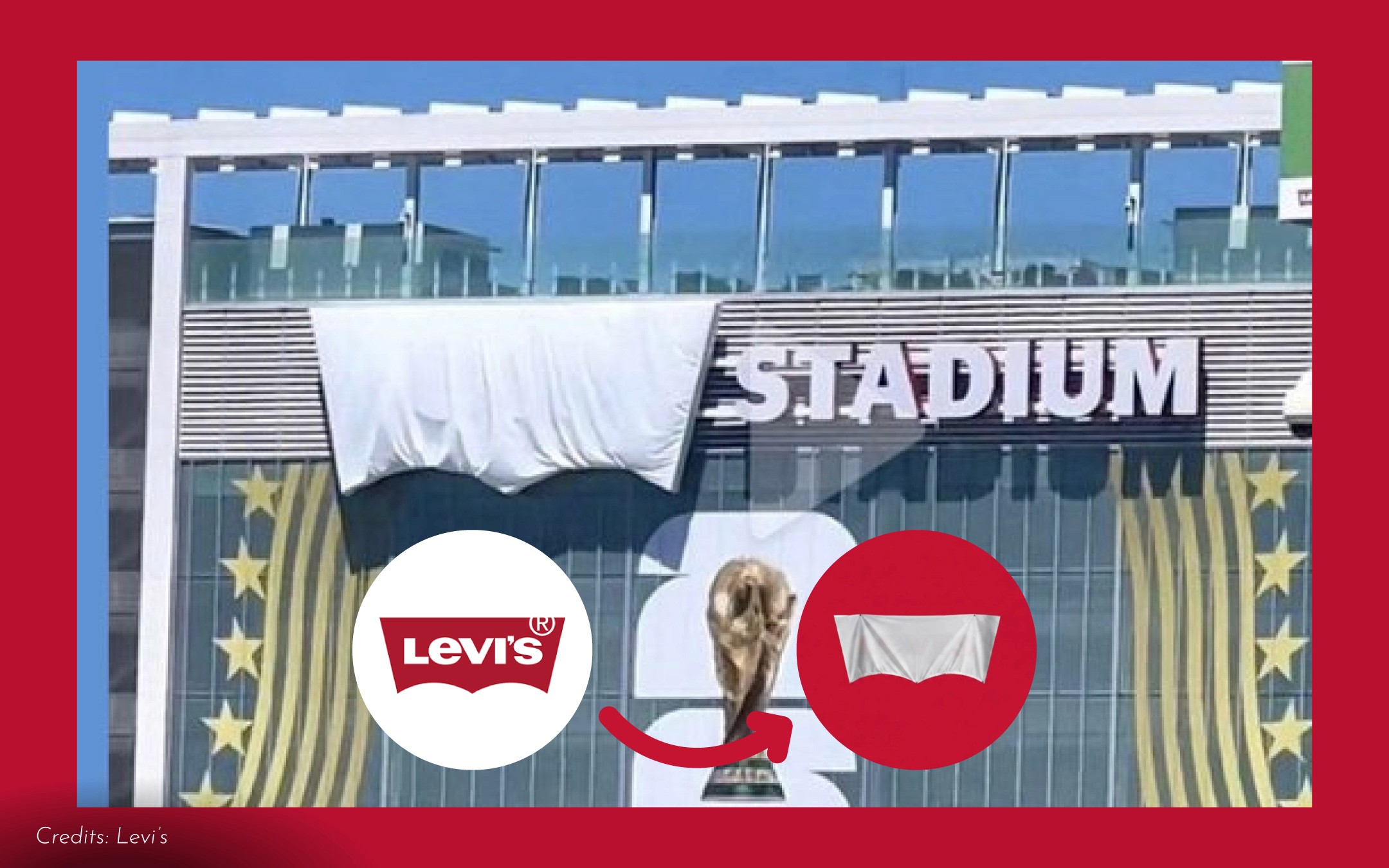
A brand visual identity is the collection of visual elements that represent your business. It creates a consistent look and feel that customers recognise across your website, social media, packaging, advertising, and marketing materials.
Your visual identity typically includes:
Logo
Colour palette
Typography
Photography and illustrations
Icons and graphic elements
Layout and design system
However, visuals should never exist without strategy. Every design decision should reflect your brand's personality, values, positioning, and audience.
Why Visual Identity Matters
A well-designed visual identity does much more than make your business look attractive. It helps customers recognise your brand faster, builds credibility, and creates consistency across every interaction.
A strong visual identity helps businesses:
Improve brand recognition
Differentiate themselves from competitors
Build trust and professionalism
Create emotional connections
Support long-term brand consistency
For businesses competing online, consistency has become even more important. Customers often discover brands through Google Search, Instagram, TikTok, LinkedIn, marketplaces, and websites before making a purchase. Presenting a unified visual identity across every platform creates familiarity and confidence.
The Five Essential Elements of a Strong Visual Identity
A Memorable Logo
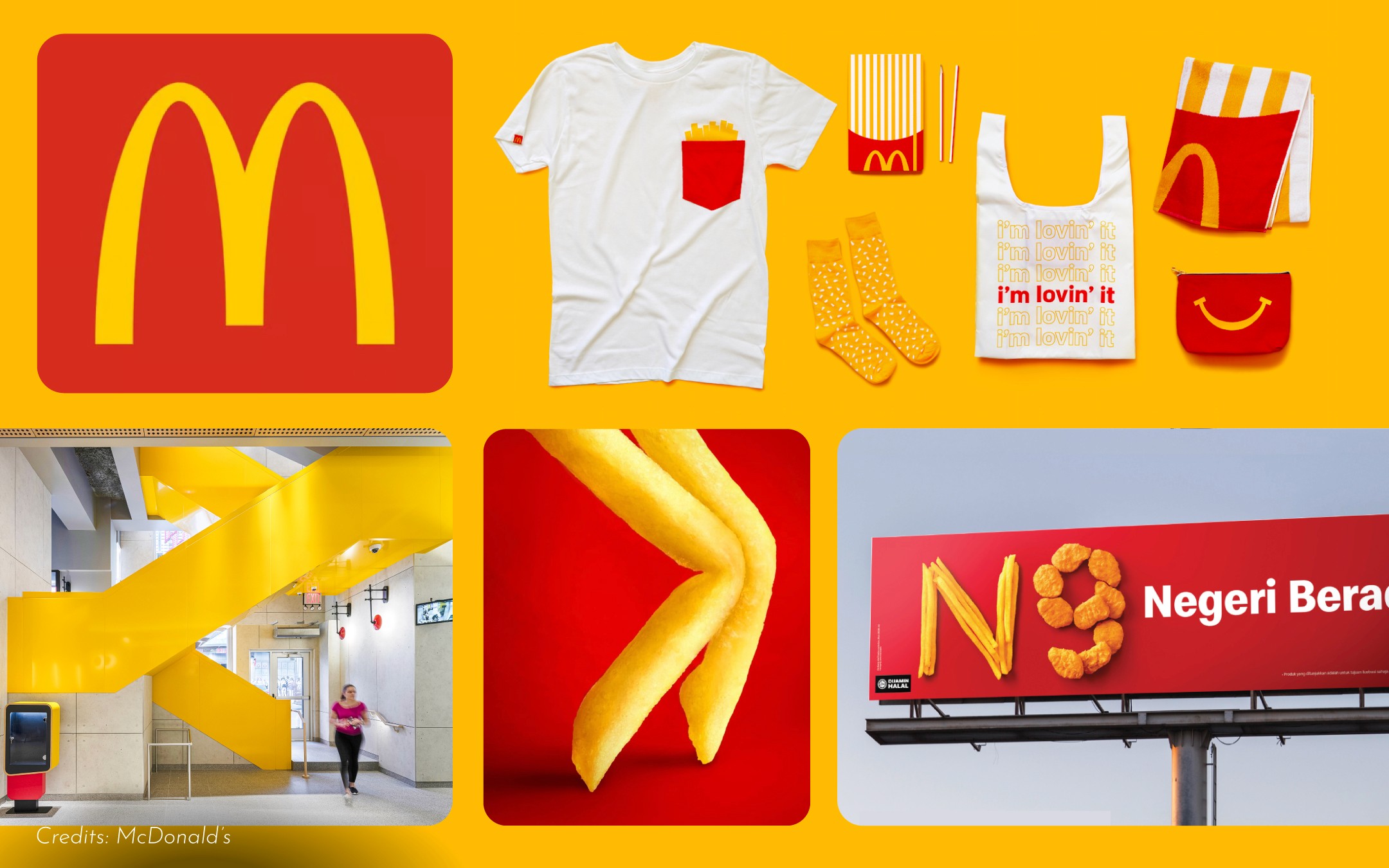
Your logo is often the first thing people associate with your brand. It should be simple, distinctive, scalable, and versatile enough to work across websites, social media profiles, packaging, business cards, and billboards.
Avoid chasing design trends that quickly become outdated. The most recognisable logos are often the simplest because they remain relevant for years.
Consistent Colour Palette
Colours influence how people perceive your business long before they read any copy.
For example:
Blue often communicates trust and professionalism.
Green is commonly associated with sustainability, health, and nature.
Red conveys excitement, urgency, and confidence.
Black often represents luxury and sophistication.
Rather than choosing colours based purely on preference, select a primary palette that reflects your brand personality, supported by secondary colours that work consistently across digital and print materials.
Typography That Reflects Your Brand
Typography communicates personality just as much as words do.
A technology company may use clean sans-serif fonts to communicate innovation, while a luxury brand may choose elegant serif typefaces to convey heritage and exclusivity.
Whatever font family you choose, consistency is key. Using too many different fonts weakens brand recognition and creates an unprofessional appearance.
Consistent Imagery and Graphic Style
Photography, illustrations, icons, and graphic elements should all follow the same creative direction.
For example, if your social media uses authentic lifestyle photography, your website and marketing materials should follow the same visual style instead of mixing stock images, flat illustrations, and unrelated graphics.
Customers may not consciously notice the consistency, but they immediately notice when it is missing.
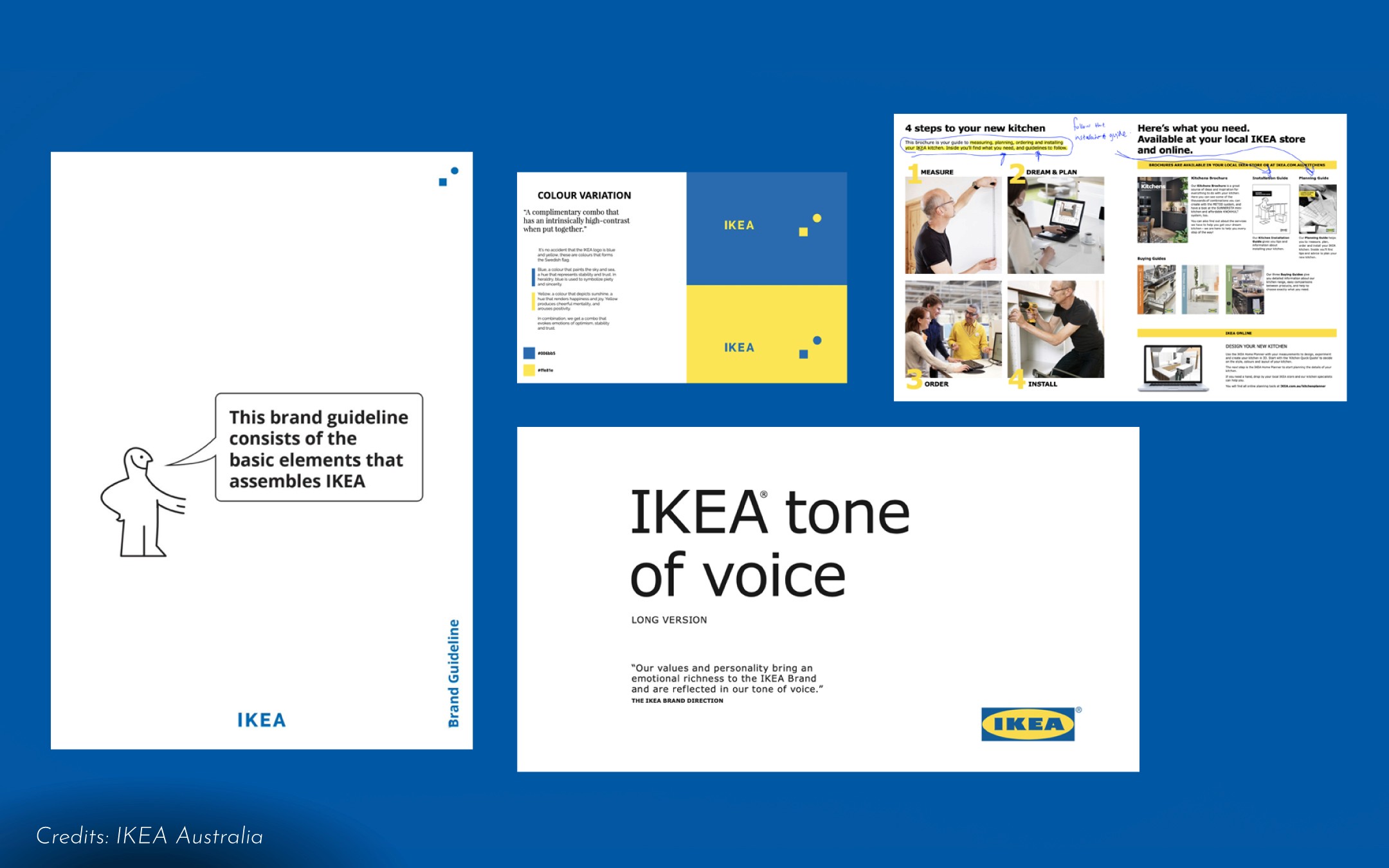
Brand Guidelines
Even the strongest visual identity will eventually become inconsistent without documentation. A brand guideline ensures everyone designing for your business uses the correct:
Logo variations
Colour codes
Typography
Photography style
Graphic elements
Layout principles
Spacing and sizing rules
This keeps your brand looking consistent whether content is produced internally or by external agencies.
How to Build Your Brand Visual Identity?

Step 1: Define Your Brand Strategy
Before opening any design software, understand your business first. Ask yourself:
What does your business stand for?
Who is your ideal customer?
What makes your brand different?
How should customers feel after interacting with your business?
Clear answers to these questions make every design decision easier.
Step 2: Research Your Competitors
Study businesses within your industry to identify common design patterns and opportunities to stand out.
The objective is not to copy competitors, but to understand how your brand can look distinctive while still meeting customer expectations.
For Malaysian businesses, this also means considering local culture, language preferences, and audience behaviour across platforms such as Instagram, TikTok, Facebook, LinkedIn, and marketplaces.
Step 3: Build a Complete Visual System
Instead of designing individual assets separately, create a visual system where every element works together.
Your logo, colours, typography, imagery, layouts, and icons should feel like they belong to the same brand regardless of where customers encounter them.
Step 4: Apply It Consistently Everywhere
Consistency builds familiarity, and familiarity builds trust. That’s why your visual identity should remain recognisable across every customer touchpoint, including
Website
Social media
Business cards
Packaging
Presentations
Advertisements
Event booths
Email newsletters
Should You Build Your Visual Identity Yourself or Hire a Branding Agency?

Simple logo generators can be useful when testing ideas, but building a complete visual identity requires more than selecting colours and fonts.
A digital marketing agency with branding and creative expertise can help align your business strategy with your visual identity by understanding your audience, market positioning, competitors, and long-term goals before developing a cohesive brand system.
For growing businesses, this often saves time while ensuring consistency across future marketing campaigns and customer touchpoints.
Building a Brand That Lasts
A memorable brand is built through consistency, not complexity. When your logo, colours, typography, imagery, and messaging work together, every customer interaction reinforces who you are and what your business stands for.
If you're ready to refine your brand or build a visual identity from the ground up, we'd be happy to help you create a system that's both distinctive and built to grow with your business.