

Social Media Algorithms Explained: What Brands Need to Know for Q2 2026
If your content reach has dropped or your posts are getting views but no real engagement, chances are the algorithm is filtering you out.
In 2026, social media platforms like Instagram, TikTok, and YouTube are no longer just content feeds. They function as AI-driven recommendation systems that decide what gets seen based on behaviour, not just posting frequency.
For brands in Malaysia, this shift is even more important. With crowded feeds and shorter attention spans, you are not just competing with other brands, you are competing with creators, entertainment, and search-driven content.
This guide breaks down how social media algorithms actually work today, and more importantly, what you need to change in Q2 2026 to stay visible and relevant.
How Social Media Algorithms Work in 2026
Social media algorithms are designed to keep users on the platform for as long as possible.
They analyse signals such as:
how long someone watches your content
whether they save or share it
how often they engage with similar topics
Instead of showing content chronologically, platforms now use AI to predict what each user is most likely to engage with next. This is why two people following the same account will see completely different posts.
For brands, this means one thing: Visibility is earned through behaviour, not just posting.
Engagement Signals Have Changed

What’s happening
Likes are no longer the main signal of performance. Platforms now prioritise high-intent actions like saves, shares, and repeat views because these indicate real interest.
This shift is reflected across TikTok and Instagram, where content that gets shared privately or saved for later is pushed further than content that only gets surface-level engagement.
What to do in Q2
Create content that people want to keep or send to someone else. This usually means:
educational content like tips or guides
relatable content that feels “too real not to share”
checklists or insights people want to revisit
If your content is only designed to get likes, it will struggle to scale.
Algorithms Now Favour Real, Human Content

What’s happening
Highly polished, overly edited content is being deprioritised. Platforms are rewarding content that feels natural, conversational, and human.
This aligns with user behaviour. Audiences trust creators and people more than brands, and algorithms are adapting to that.
What to do in Q2
Shift your content style from “produced” to “real”. This includes:
behind-the-scenes footage
team or founder-led content
simple, talking-to-camera formats
You do not need high production to perform. You need believability and relatability.
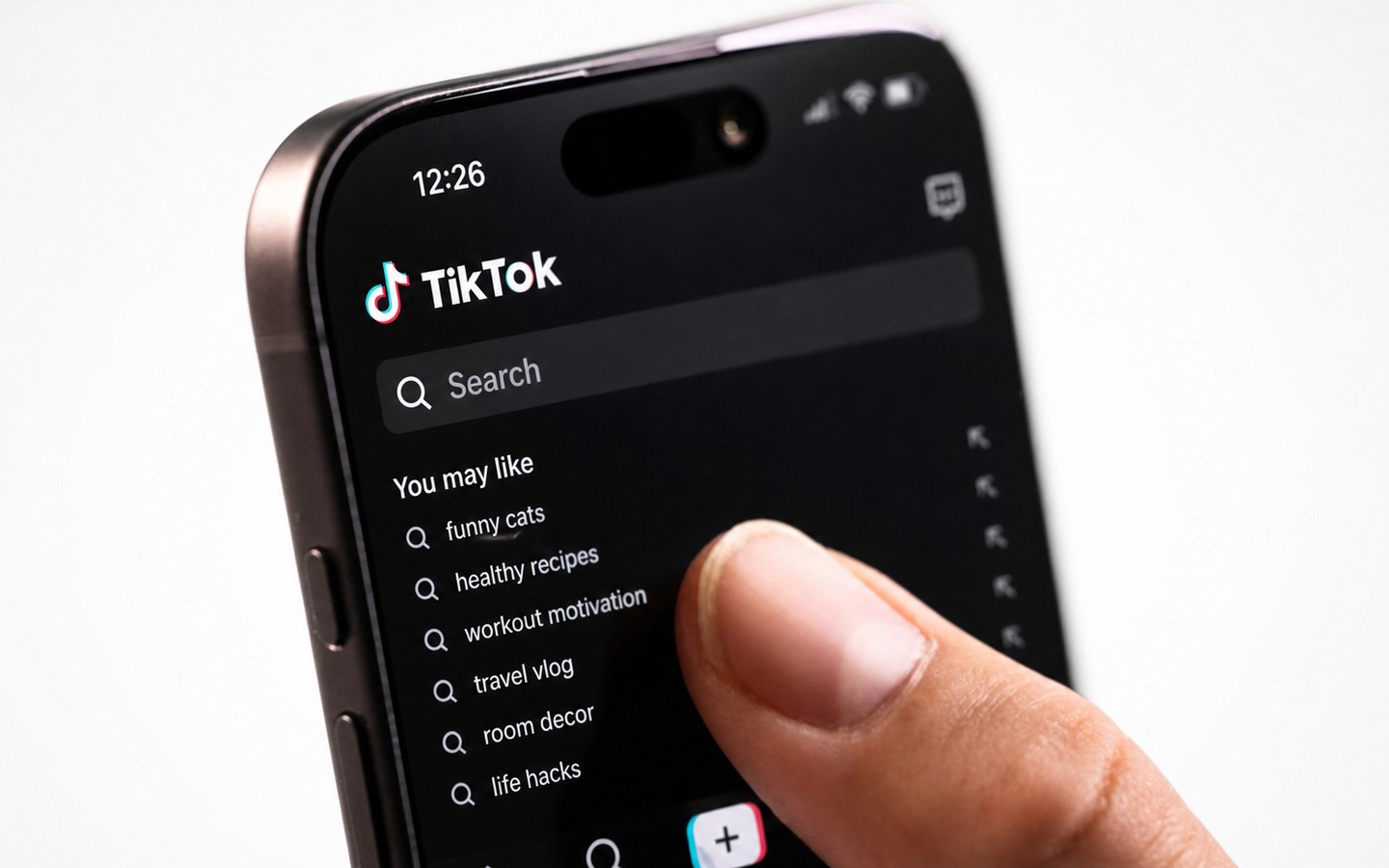
Social Media Is Now a Search Engine
What’s happening
Users are no longer just scrolling. They are actively searching for:
product reviews
tutorials
recommendations
TikTok, Instagram, and YouTube now function similarly to Google, using keywords and content relevance to surface results.
What to do in Q2
Start treating your content like searchable content, not just posts. This means:
using clear keywords in captions
adding keywords in on-screen text
saying keywords in your video
For example, instead of a vague caption, say exactly what the content is about:
“how to choose the right skincare for oily skin”. This improves discoverability beyond your followers.
Creator-Led Content Outperforms Brand Content
What’s happening
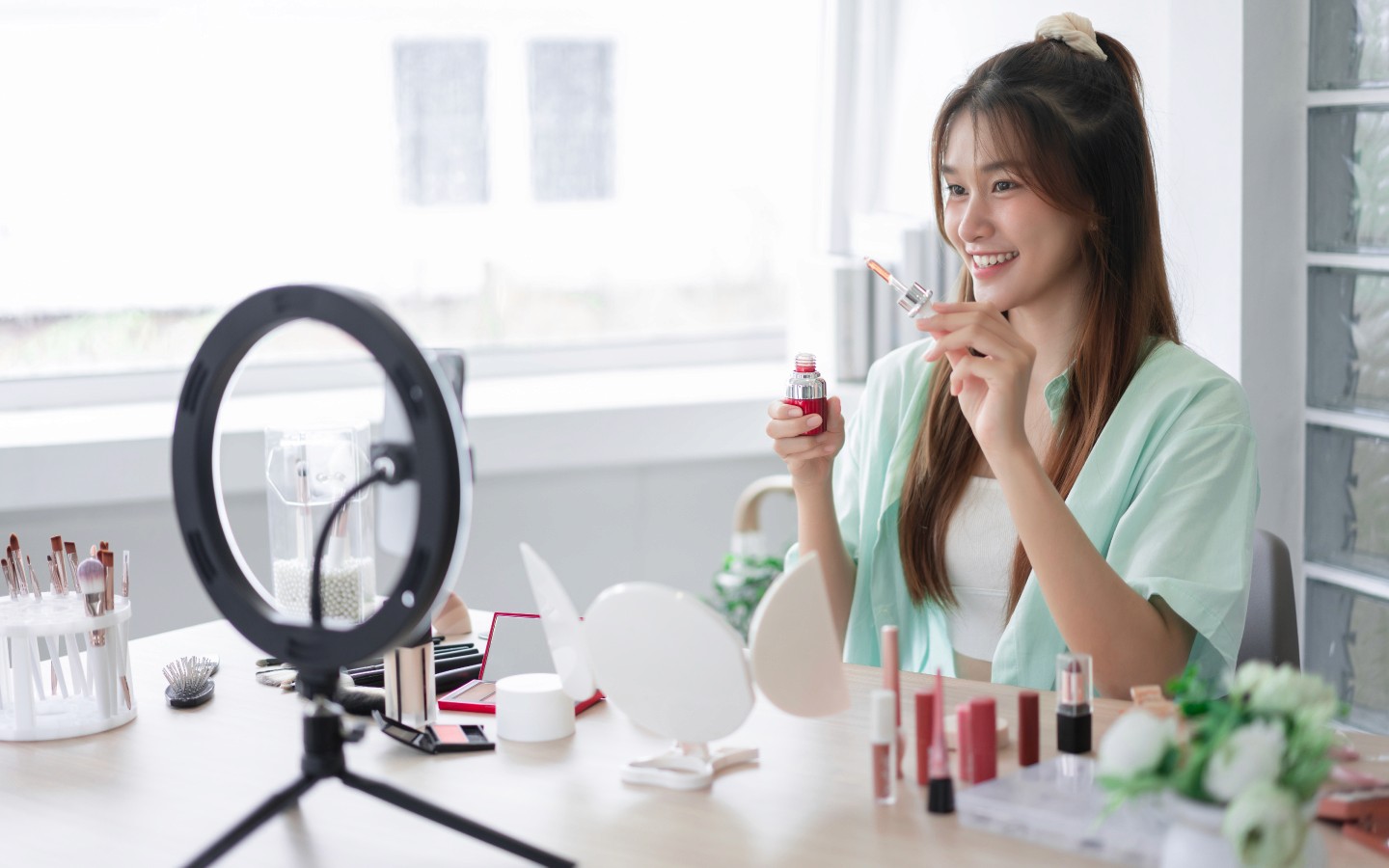
Algorithms are prioritising content from individuals over brands because people engage more with people.
This is why creator content often reaches further than brand-owned posts, even with smaller audiences.
What to do in Q2
Shift from brand-first content to people-first content. This can be done through:
working with creators long-term
featuring real people using your product
turning your team into content faces
The goal is to make your content feel like it comes from a person, not a company.
Niche Content Gets Better Reach

What’s happening
Platforms now categorise content using interest-based systems. Accounts that post consistently about one topic are easier to understand and distribute. Accounts that mix too many topics confuse the algorithm and reduce reach.
What to do in Q2
Define clear content pillars and stick to them. Consistency helps the algorithm know who to show your content to and that directly impacts reach. For example:
a halal food brand sharing only halal food discoveries, reviews, and recommendations
a telco or ISP sharing only connectivity tips, speed hacks, and service updates
a skincare brand focusing only on skin education
Why AI Is Driving All These Changes
Modern algorithms are not rule-based. They are machine learning systems trained on user behaviour by
watching what content keeps users watching
identifying patterns in high-performing content
predicting what each user will engage with next
This is why trends shift faster and why copying old strategies no longer works.
For brands, this means you are no longer optimising for a platform, you are optimising for behaviour patterns.

Algorithms Reward Relevance, Not Effort
Posting more does not guarantee reach anymore. In Q2 2026, social media algorithms prioritise content that:
holds attention
creates interaction
fits a clear niche
The brands that perform are not necessarily the loudest. They are the ones that understand how people consume content and create accordingly. If your content is not performing, the issue is not how often you post, it is how well your strategy aligns with the algorithm.
We help brands align their content with how algorithms actually work today, from content direction to execution. Get in touch with us to build a social media strategy that is designed to perform, not just fill your feed.