15 Marketing Strategies for Your Film or TV Show
Making a great film or TV show is only half the battle. If nobody hears about it, nobody watches it.
Today, film marketing is no longer just about posters and trailers. Audiences discover new shows through TikTok edits, memes, creator reactions, fan theories, and social media conversations long before they are released.
Here are 15 marketing strategies that actually help films and TV shows get noticed.
1. Create a Trailer That Feels Shareable
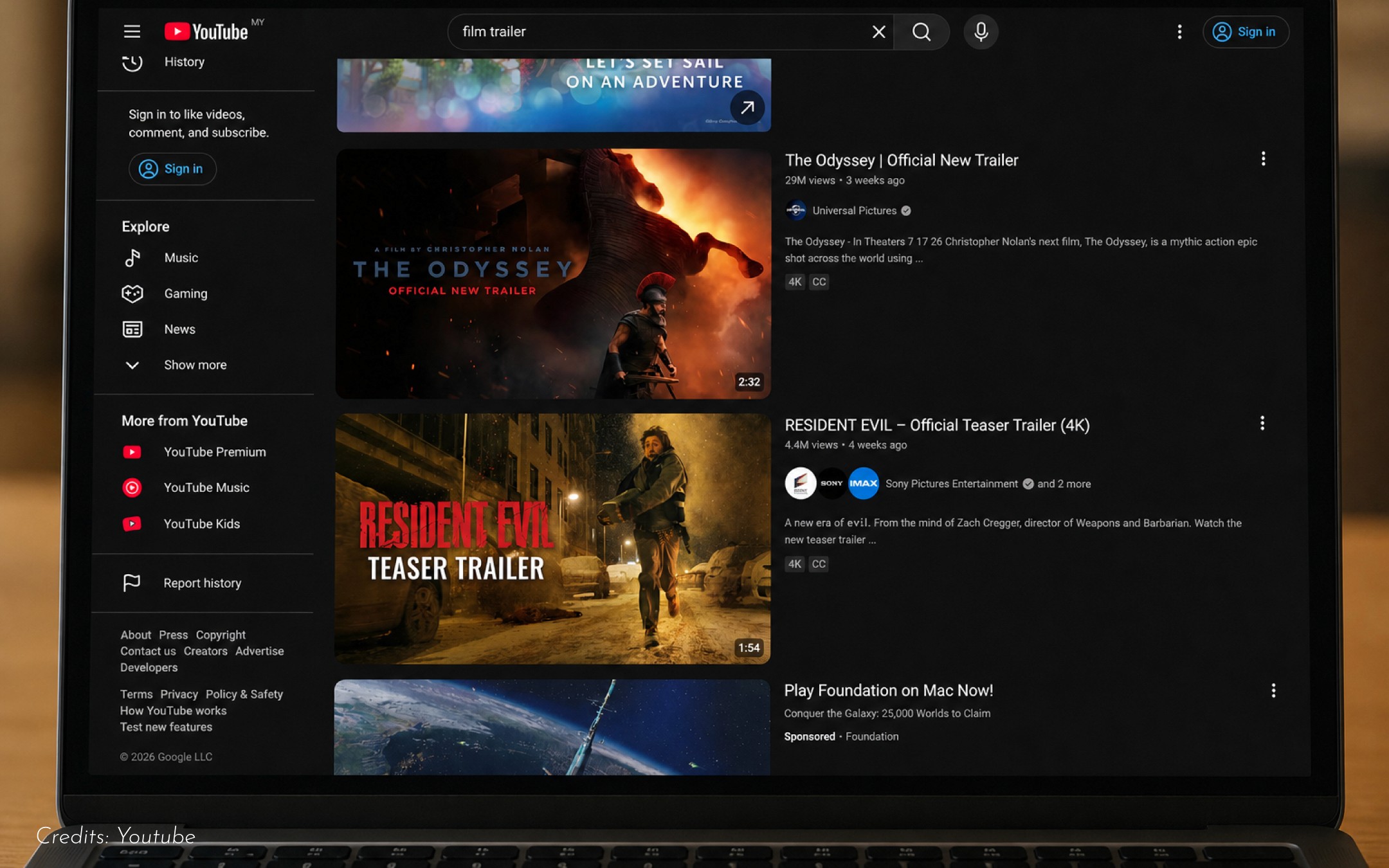
Your trailer is your biggest marketing asset. But audiences today do not just want teasers. They want something sharable so that they can dissect and make predictions.
2. Use Short-Form Video Aggressively
TikTok, Instagram Reels, and YouTube Shorts now drive entertainment discovery. Instead of only posting full trailers, cut content into:
character moments
iconic quotes
funny scenes
behind-the-scenes clips
Short-form content keeps the show constantly circulating online.
3. Build Hype Before Release Day
The biggest mistake many productions make is marketing too late. Start building curiosity months earlier through:
teaser posters
cryptic videos
countdowns
cast reveals
4. Turn Characters Into Social Media Personas
Audiences connect with characters more than brands. Creating social content around fictional personalities helps keep the show alive outside the screen. This works especially well for:
comedy series
teen dramas
action franchises
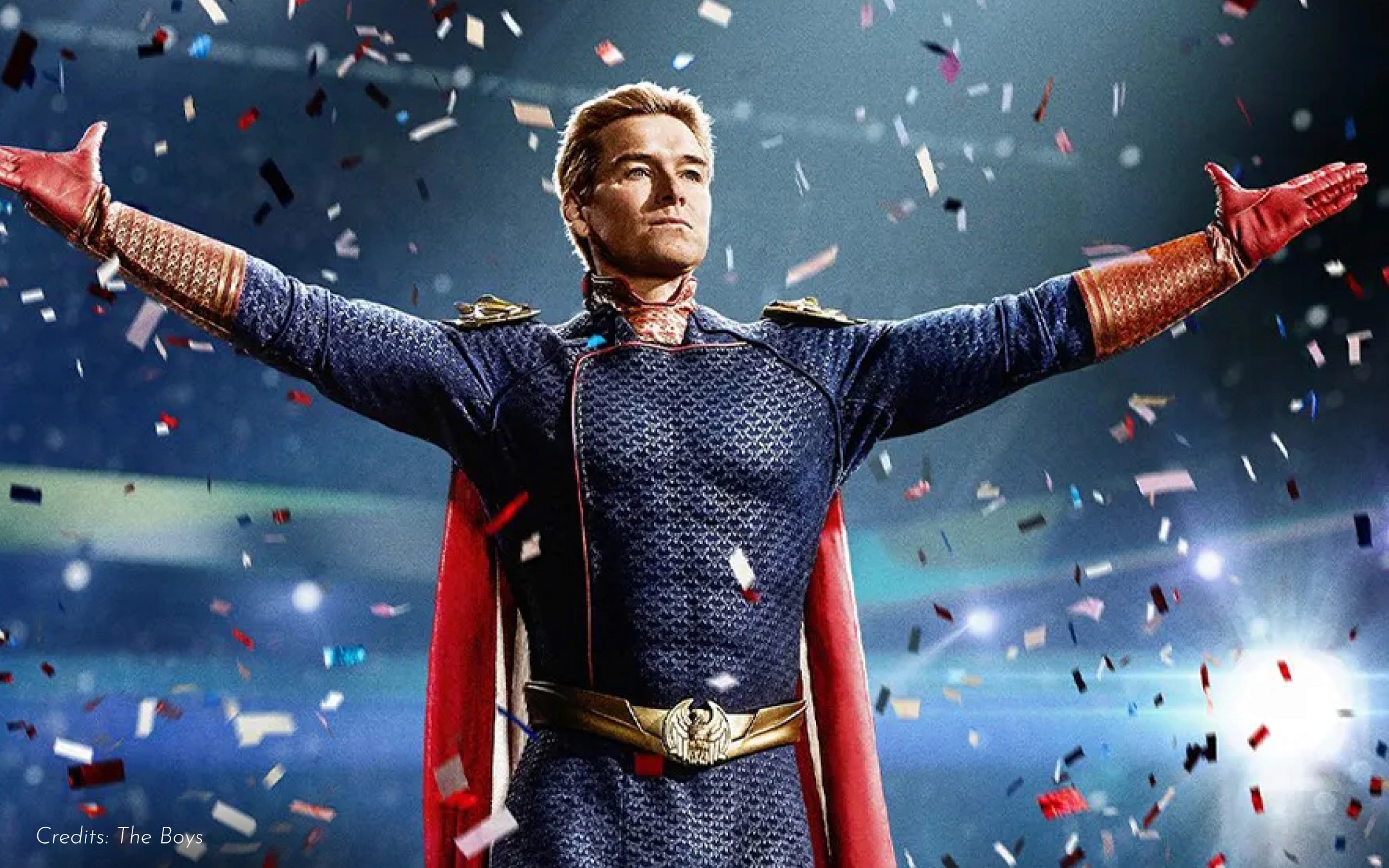
Think of how The Boys uses in-universe satire and character content online.
5. Encourage Fan Content and Memes
Memes are free marketing. The more remixable your content is, the longer people keep talking about it online. Reaction memes, fan edits, theories, and screenshots all extend visibility organically. Do not over-control fan culture. Lean into it.
6. Collaborate With Creators and Influencers
People trust creators more than advertisements. Instead of generic promo posts, work with creators to:
react to trailers
discuss fan theories
review episodes
create skits inspired by the show
In Malaysia, niche creators often drive stronger engagement than celebrity influencers because their audiences feel more loyal and specific.
7. Create Interactive Campaigns
Audiences enjoy participating, not just watching. Interactive campaigns can include:
quizzes
AR filters
fan voting
virtual experiences
“choose your side” campaigns
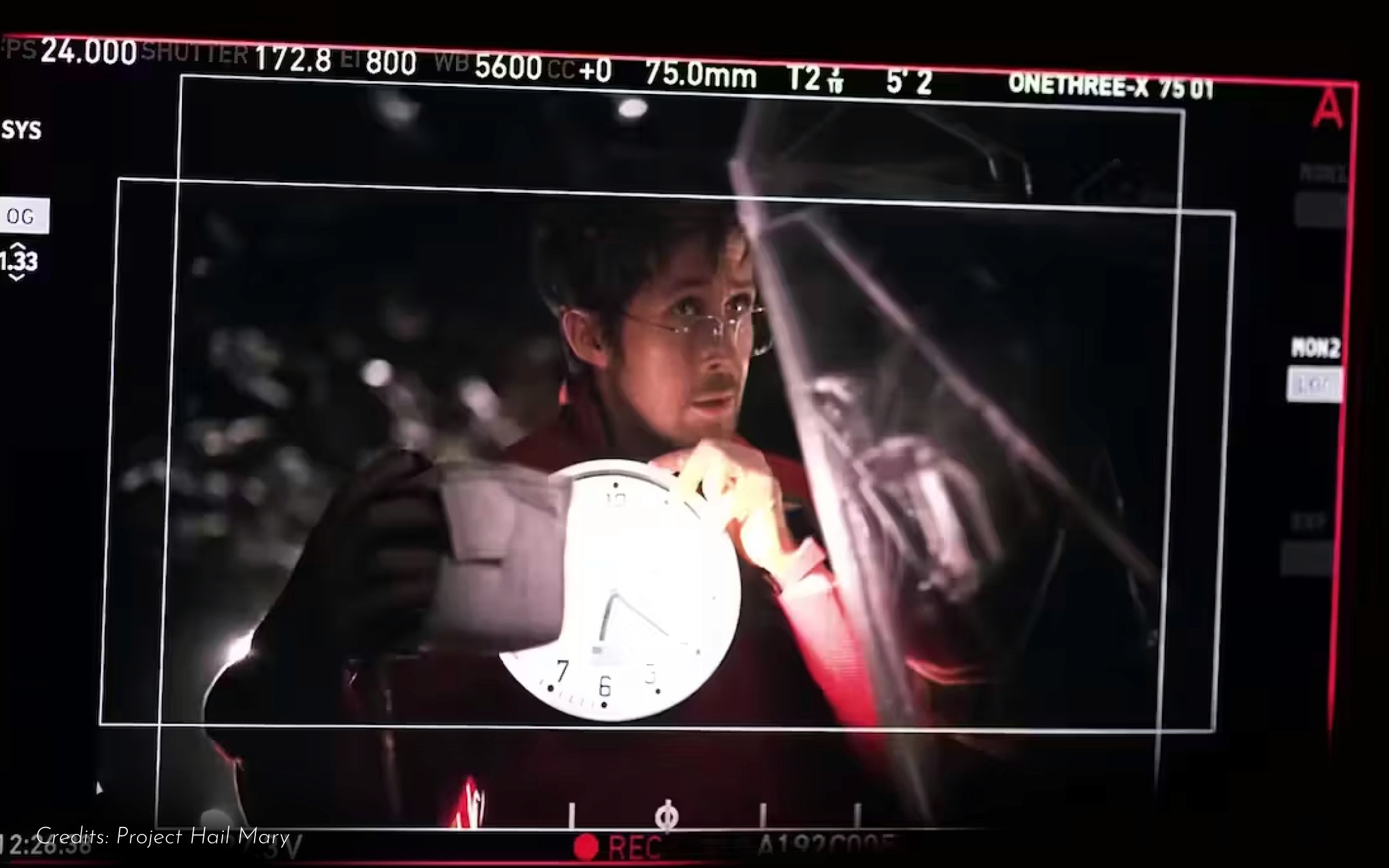
8. Use Behind-the-Scenes Content
Behind-the-scenes footage makes audiences emotionally invested. This humanises the production and gives fans more content to engage with between releases. Show:
cast chemistry
makeup transformations
filming challenges
bloopers
production design
9. Optimise for Search and Discovery
TikTok and Instagram now function like search engines, especially among younger audiences. People search for entertainment recommendations every day. Your marketing should include:
SEO-friendly titles and captions
IMDb optimisation
YouTube keyword optimisation
searchable hashtags
10. Make Your Social Media Feel Alive
Dead social pages kill momentum. Entertainment marketing works best when audiences feel part of an ongoing conversation. Your pages should feel active through:
fan interactions
memes
comments
reposts
live updates
11. Use Publicity Stunts Carefully
Good publicity stunts generate massive earned media. Some famous examples include:
the giant dragon skull from Game of Thrones
Jurassic World dinosaur delivery campaigns
The Blair Witch Project “found footage” mystery marketing
The goal is not just attention. It is giving people something worth talking about.
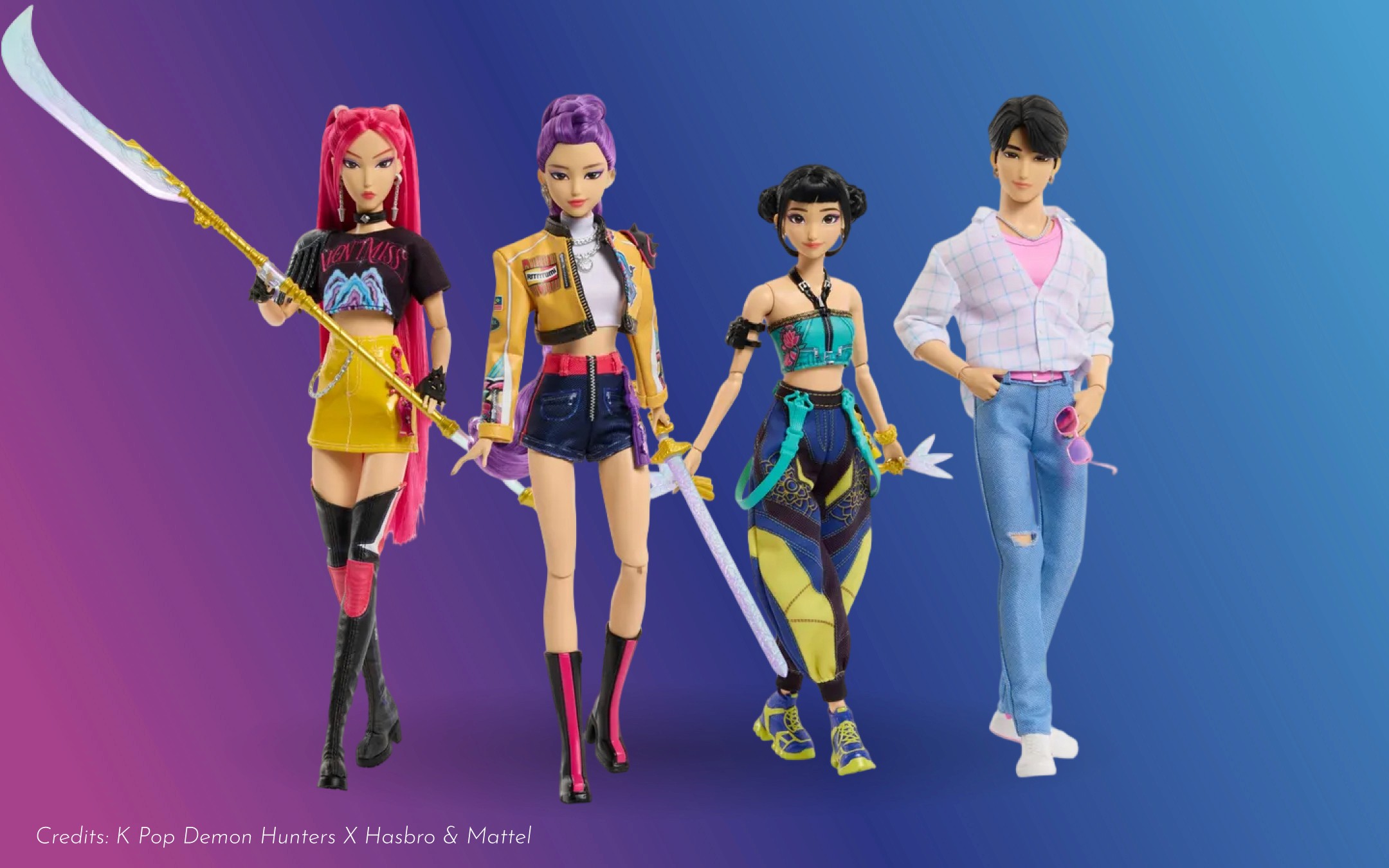
12. Partner With Brands That Match Your Audience
Brand collaborations can expand reach quickly. This works best when the partnership feels natural.
Examples:
food brands
gaming brands
lifestyle products
tech companies
A strong partnership gives both sides access to each other’s audiences.
13. Build a Dedicated Website or Landing Page
Do not rely only on social media. A dedicated website helps centralise:
trailers
release dates
cast info
merchandise
ticketing
press coverage
It also improves search visibility for your film or show.
14. Use Paid Ads to Amplify Momentum
Organic reach alone is unpredictable. Platforms like YouTube, TikTok, Instagram, and Google Ads are especially effective for entertainment campaigns. Paid ads help push:
trailers
teaser clips
premiere announcements
ticket sales
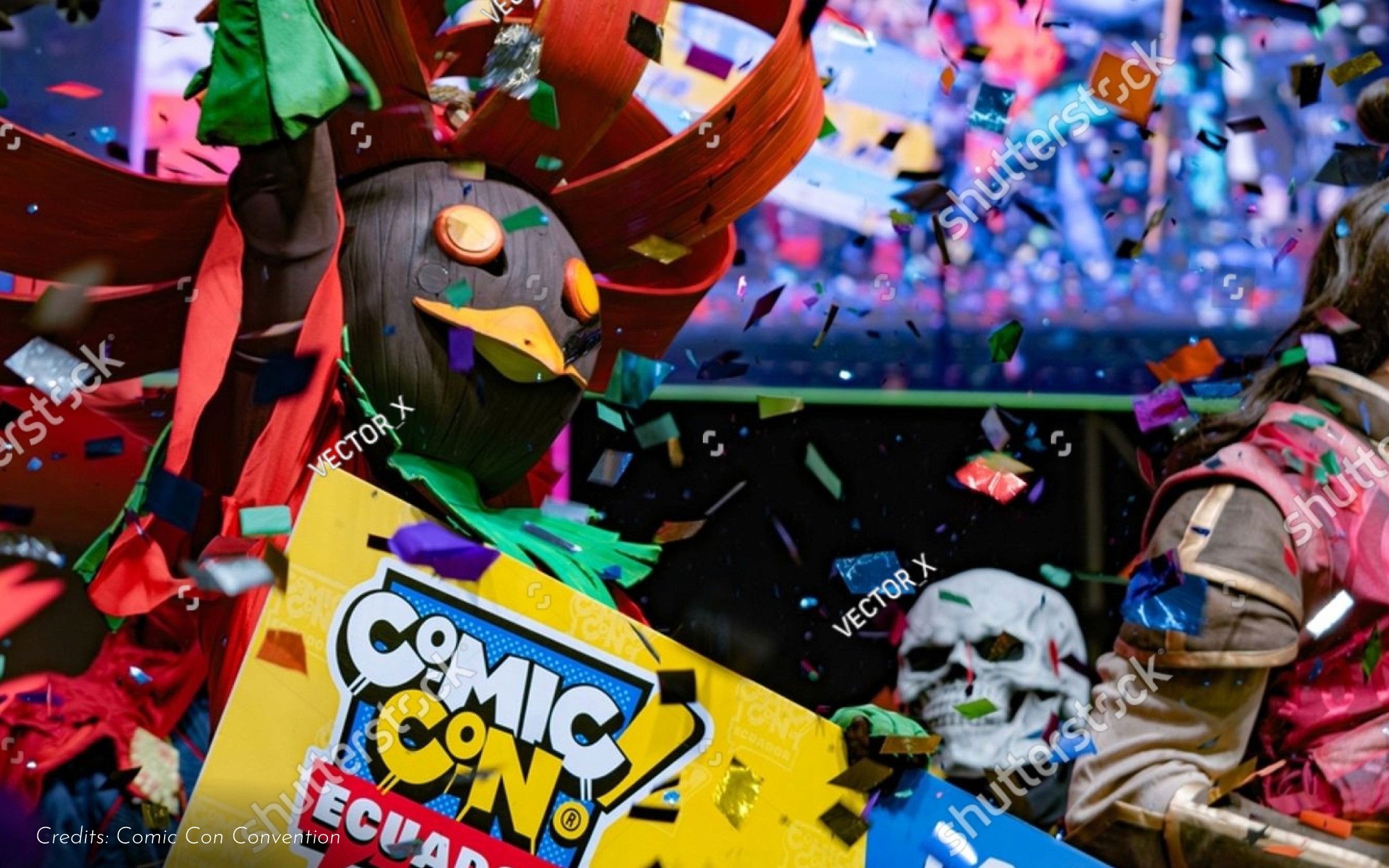
15. Focus on Community, Not Just Promotion
The strongest entertainment brands build fandoms, not just audiences. Fans stay longer when they feel included. Reply to comments. Repost fan content. Encourage theories and discussions. People support shows that make them feel part of something bigger.
Film and TV marketing is no longer just advertising.
It is audience participation. The productions that win today are not always the ones with the biggest budgets. They are the ones that understand internet culture, social behaviour, and how people discover entertainment now. Attention drives visibility. The community sustains it.