

How to Build a Full-Funnel Digital Marketing Strategy
Many businesses invest heavily in digital marketing but struggle to see consistent results. The problem is not necessarily the marketing channels being used. More often, it is the lack of a connected strategy. For businesses in Malaysia, where customers often move between Google Search, social media, marketplaces, messaging apps, and websites before making a purchase, a full-funnel approach is becoming increasingly important.
A full-funnel digital marketing strategy ensures every stage of the customer journey works together, from the first time someone discovers your brand to the moment they become a loyal customer.
What Is a Full-Funnel Digital Marketing Strategy?

A full-funnel digital marketing strategy is a marketing approach that addresses every stage of the customer journey rather than focusing on a single objective such as awareness or sales.
Instead of treating all audiences the same, it delivers different messages based on where someone is in the buying process.
A complete funnel typically consists of four stages:
Awareness: Potential customers discover your brand for the first time.
Consideration: They begin researching solutions and comparing options.
Conversion: They are ready to take action and become customers.
Retention and Advocacy: Existing customers are encouraged to purchase again and recommend your brand to others.
The goal is not simply to generate more leads. It is to create a connected journey that moves people naturally from one stage to the next.
Why Full-Funnel Marketing Matters More Than Ever?
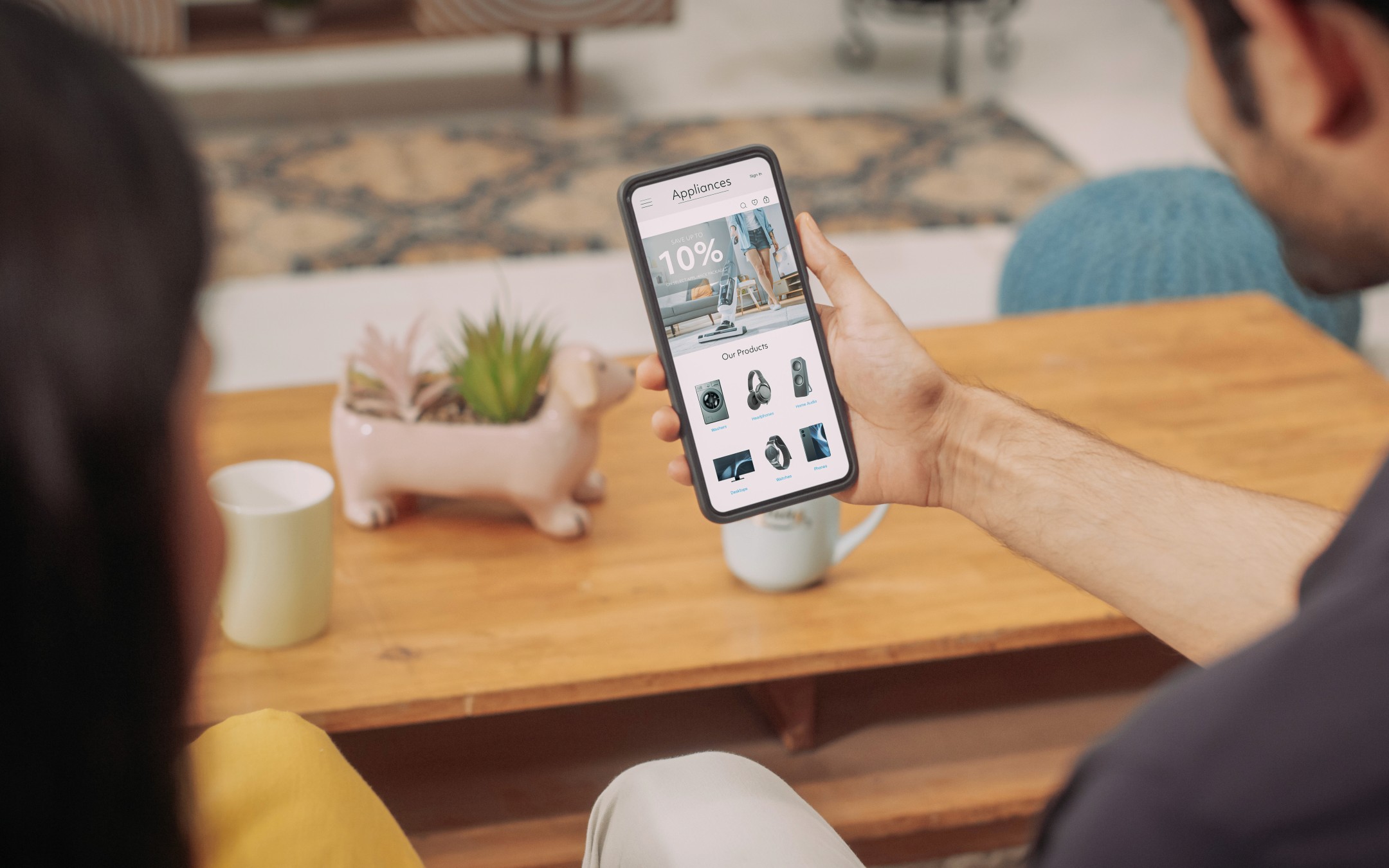
Today's customer journey is rarely linear.
A potential customer might discover your brand through a TikTok video, search for reviews on Google, visit your website, leave without buying, see a retargeting ad a week later, and finally convert after reading an email offer.
If your marketing only focuses on one stage, you risk losing potential customers along the way.
A full-funnel strategy helps businesses:
Build stronger brand awareness
Generate higher-quality leads
Improve conversion rates
Increase customer lifetime value
Improve marketing efficiency and ROI
Stage 1: Build Awareness at the Top of the Funnel

At the awareness stage, people may not know that your business exists. The objective is not to sell immediately. Instead, focus on capturing attention and demonstrating relevance through these channels:
SEO and organic search
Social media content
Video marketing
Influencer collaborations
Digital PR
Display advertising
For example, a startup skincare brand could publish blog articles about common skin concerns, create educational TikTok videos, and collaborate with beauty creators to reach new audiences. At this stage, monitor reach-based metrics such as impressions, website traffic, video views, and click-through rates.
Stage 2: Nurture Interest in the Middle of the Funnel

Once people know who you are, they need reasons to trust you. This is where many businesses fall short. They generate awareness but fail to nurture potential customers through useful content and meaningful interactions. Some of the content formats and marketing assets you can use include:
Email marketing
Case studies
Product comparison content
Educational webinars
Downloadable guides
Customer testimonials
For example, a software company could offer a free industry guide in exchange for an email address, then follow up with educational emails and customer success stories. The key metrics to focus on at this stage include lead quality, engagement rates, content downloads, webinar attendance, and cost per lead.
Stage 3: Drive Conversions at the Bottom of the Funnel
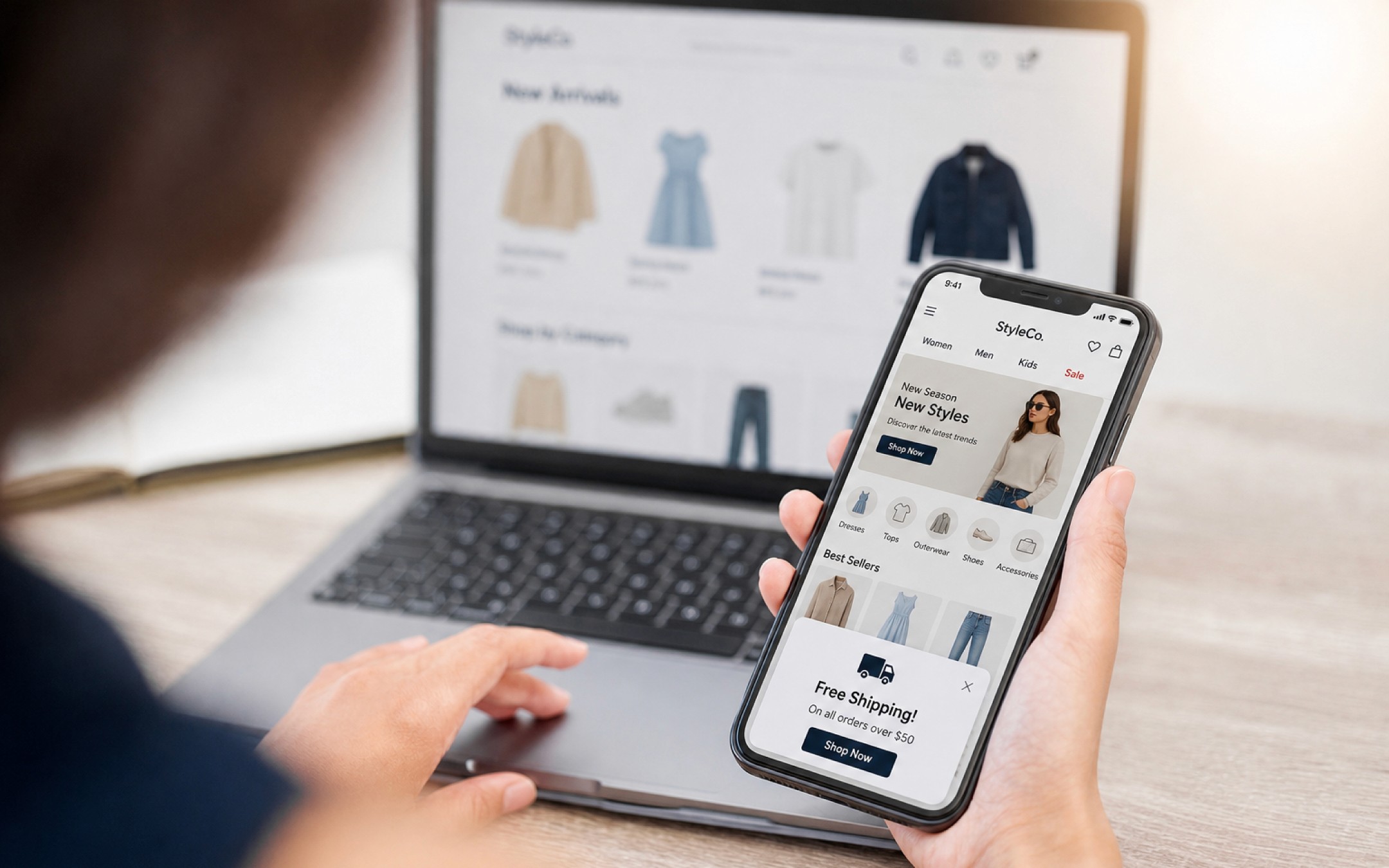
At this stage, prospects already understand the problem and the solution your brand offers. The objective is to remove hesitation and make the decision easy. Some of the tactics you can use at this stage include:
Retargeting ads
Product demos
Free consultations
Limited-time offers
Free shipping incentives
Landing page optimisation
For example, an e-commerce business might retarget users who abandoned their carts with a special discount or free delivery offer. Track conversion rates, customer acquisition cost, revenue generated, and return on ad spend.
Stage 4: Turn Customers Into Repeat Buyers

Many businesses stop marketing after a sale. In reality, some of the highest ROI opportunities happen after conversion. Customer retention is typically more cost-effective than acquiring new customers, making post-purchase marketing an important part of any funnel. Here's what to do:
Loyalty programmes
Referral campaigns
Personalised offers
Customer newsletters
Exclusive promotions
Customer feedback surveys
For example, a local F&B brand could reward repeat customers through a membership programme while encouraging referrals through exclusive discounts. This is the stage to measure retention rate, repeat purchase rate, customer lifetime value, referral rate, and Net Promoter Score (NPS).
How to Connect Every Stage of the Funnel
The most effective full-funnel strategies do not treat each stage as a separate campaign. Instead, they create a connected experience where every touchpoint moves the customer closer to the next step. When every stage supports the next, marketing becomes significantly more efficient and measurable.
A full-funnel digital marketing strategy is not about doing more marketing. It is about connecting every marketing effort into a system that supports the entire customer journey.