

How Are AEO and GEO Different from SEO? (And Why Brands Need All Three in 2026)
For years, SEO was the gold standard for online visibility. Rank on page one, earn clicks, drive traffic. Simple.
But search has fundamentally changed. With AI-powered experiences like Google AI Overviews, Bing Chat, and conversational tools such as ChatGPT, users are no longer just searching, they are asking. And increasingly, they are receiving answers without ever clicking a website.
This shift has given rise to two new optimisation disciplines: Answer Engine Optimisation (AEO) and Generative Engine Optimisation (GEO).
SEO is not dead, but it is no longer enough on its own.
This guide breaks down:
What SEO, AEO, and GEO actually mean
How they differ in goals and execution
Why brands must integrate all three to stay visible in 2026 and beyond
What Is SEO (Search Engine Optimisation)?
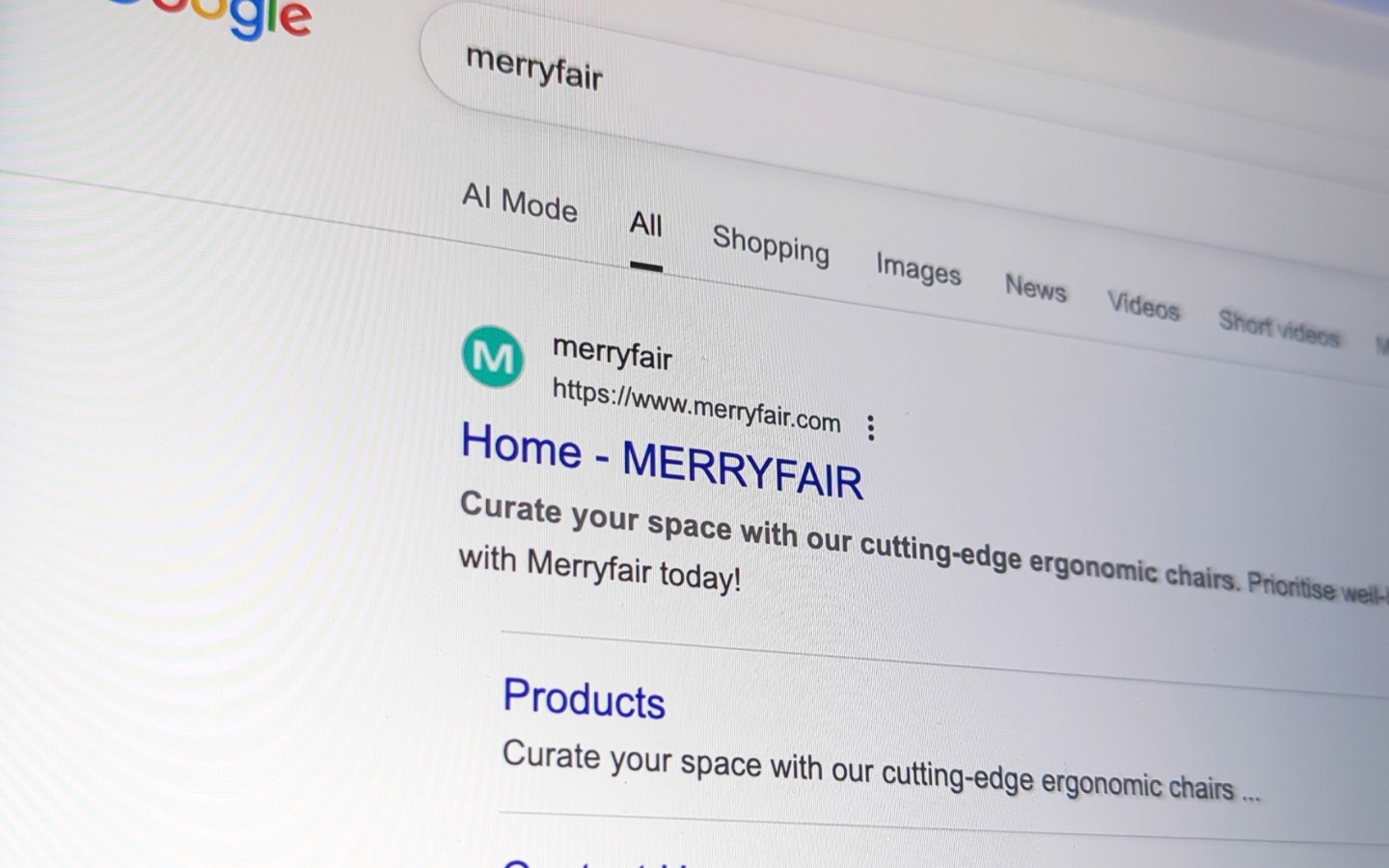
SEO focuses on improving a website’s visibility in traditional search engine results pages (SERPs).
Core Objectives of SEO
Rank higher for relevant keywords
Drive organic traffic
Increase click-through rates (CTR)
Key SEO Components
Keyword research and intent mapping
High-quality, informative content
On-page optimisation (titles, meta descriptions, headers)
Technical performance (page speed, mobile-friendliness, Core Web Vitals)
Backlinks and domain authority
SEO is still essential especially for commercial, local, and service-based searches where users are actively looking for providers rather than answers.
What Is AEO (Answer Engine Optimisation)?

AEO focuses on owning the answer, not just the ranking. Instead of optimising for clicks, AEO optimises content to be surfaced directly in:
Featured snippets
Voice search results
FAQ rich results
“People Also Ask” boxes
How AEO Works
AEO works by structuring content to deliver clear, concise answers to specific user questions. This involves using well-organised formatting such as lists, tables, and step-by-step explanations, creating FAQ sections that closely match user intent, and applying schema markup to help search engines accurately extract and present answers in featured snippets and other direct-response formats.
In many cases, users get their answer without clicking, making visibility and authority more important than traffic volume.
What Is GEO (Generative Engine Optimisation)?

GEO focuses on optimising content so it can be understood, trusted, and cited by AI-driven search engines. Instead of ranking links, AI engines generate synthesised answers by pulling information from multiple sources.
What GEO Optimises For
AI-generated summaries and answer boxes
Conversational and long-tail queries
Semantic understanding of topics and entities
Brand representation inside AI responses
GEO requires content that is:
Written in natural, conversational language
Semantically rich and contextually complete
Factually accurate and frequently updated
Structured so AI crawlers can easily interpret it
The goal is not just visibility but accurate representation when AI tools summarise your brand or expertise.
SEO vs AEO vs GEO: Key Differences Explained
Primary Goals
SEO: Rank higher in traditional SERPs
AEO: Provide direct, concise answers
GEO: Appear in AI-generated responses
Content Focus
SEO: Keywords, backlinks, long-form content
AEO: Structured answers, FAQs, snippets
GEO: Conversational tone, semantic depth, entity clarity
Optimised For
SEO: Google, Bing, traditional search engines
AEO: Featured snippets, voice assistants
GEO: AI search engines and generative results
Why SEO Alone Is No Longer Enough

AI Overviews and generative answers are pushing traditional organic results further down the page.
This creates two challenges: fewer clicks for informational content and less visibility for brands not optimised for AI answers. Users are also shifting behaviour where many now start their research directly in AI tools rather than search engines. The result? Brands that rely solely on SEO risk becoming invisible at the top of the funnel.
How SEO, AEO, and GEO Work Best Together
Example Scenario
A user searches for “How does SEO work?”
SEO: Your article ranks on page one
AEO: Your definition appears as a featured snippet
GEO: Your brand is referenced in an AI-generated explanation
The most effective strategy is integration, not replacement. Each layer reinforces the other.
High-Impact Optimisation Actions Across SEO, AEO, and GEO

Based on current best practices, the most effective actions include:
On-Page Optimisation
Improve E-E-A-T (Experience, Expertise, Authority, Trust)
Use structured data (FAQ, How-To, Article schema)
Build topic clusters and semantic relationships
Create AI-friendly summaries and clear headings
Optimise for conversational, natural-language queries
Off-Page Optimisation
Earn high-quality backlinks and brand mentions
Build strong branded profiles across platforms
Maintain consistent business information (NAP)
Encourage authentic reviews and reputation signals
Authority, experience, and trust remain the hardest—and most valuable—signals to build.
Should All Businesses Optimise for AEO and GEO?

Not every business needs the same approach. Service brands, e-commerce companies, B2B businesses, and agencies usually benefit most from AEO and GEO because their audiences look for clear answers and expert guidance. Content publishers that depend on high click-through rates, such as recipe or reference sites, may need to be more cautious due to zero-click results. Each business should weigh visibility against traffic impact and adjust its strategy accordingly.
The Future of Search Is Hybrid
SEO is not going away, but it is evolving. AEO and GEO expand how brands stay visible in an AI-driven search world. The brands that will succeed focus on understanding intent, answering questions clearly, and building real authority. Search today is not just about being found… it is about being understood.