Best Practices for Billboard Advertising: How to Create Ads That Deliver Results
Billboard advertising remains one of the most effective ways to reach people across Malaysia, whether they’re stuck in traffic on the Federal Highway, commuting on the LRT, or driving through busy commercial areas. There are no algorithms, ad blockers, or skip buttons. But that also means you have only a few seconds to make an impression.
Most billboard campaigns don’t fail because the location is bad or the budget is small. They fail because the message feels outdated, the design is too busy, or it’s simply impossible to process at speed.
This guide breaks down proven best practices for billboard advertising, covering design, messaging, placement, and measurement, so your outdoor ads are not just out there but achieve their intended purpose.
Understand the Six-Second Rule
A billboard has roughly three to six seconds to communicate its message. That’s it. If your message cannot be understood in one quick glance, it’s too complex.
Drivers are watching traffic. Pedestrians are moving. Your billboard must be understood almost instantly. This single constraint should guide every decision you make, from word count to font choice.
Keep the Message Simple and Focused
Stick to One Clear Idea
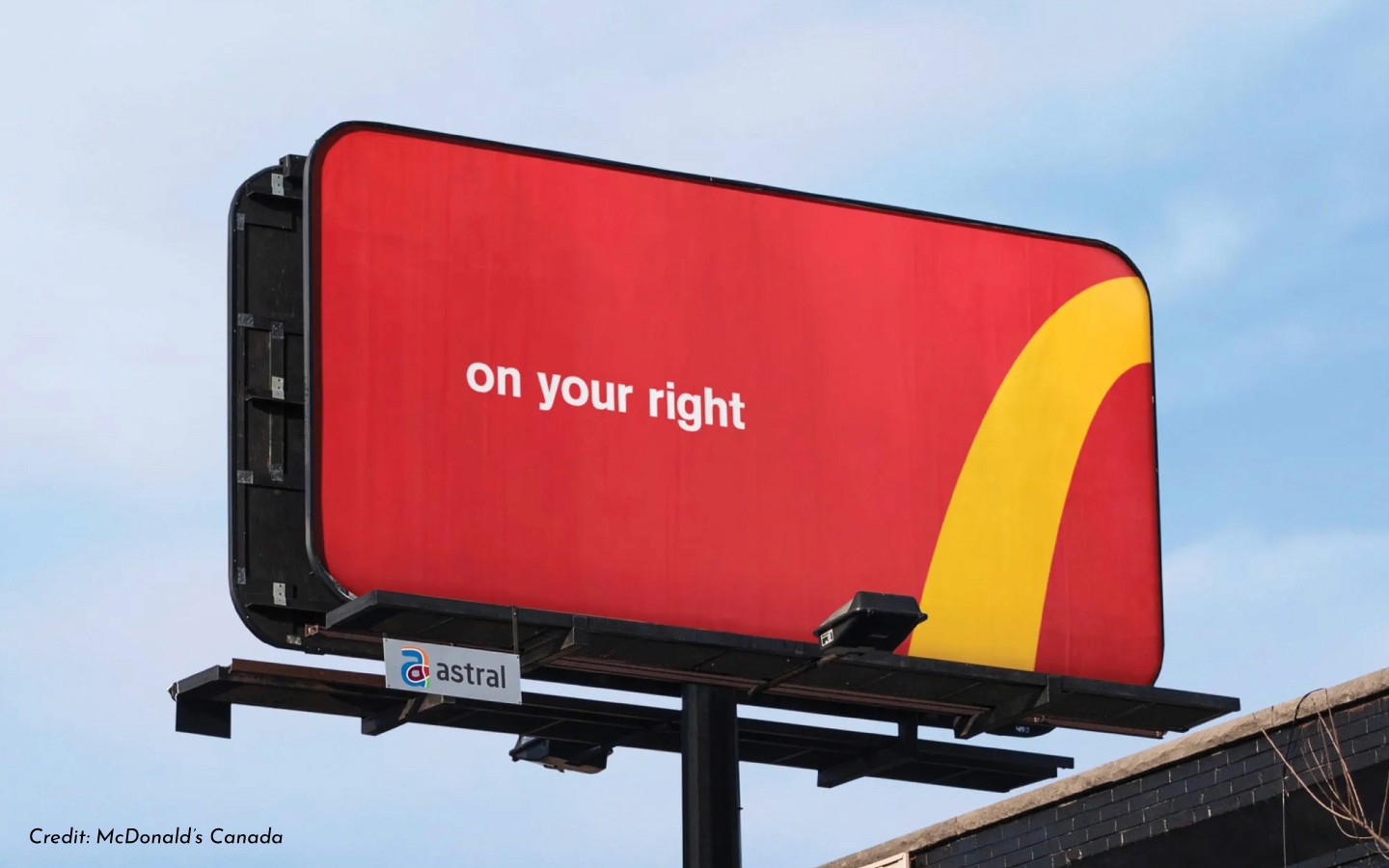
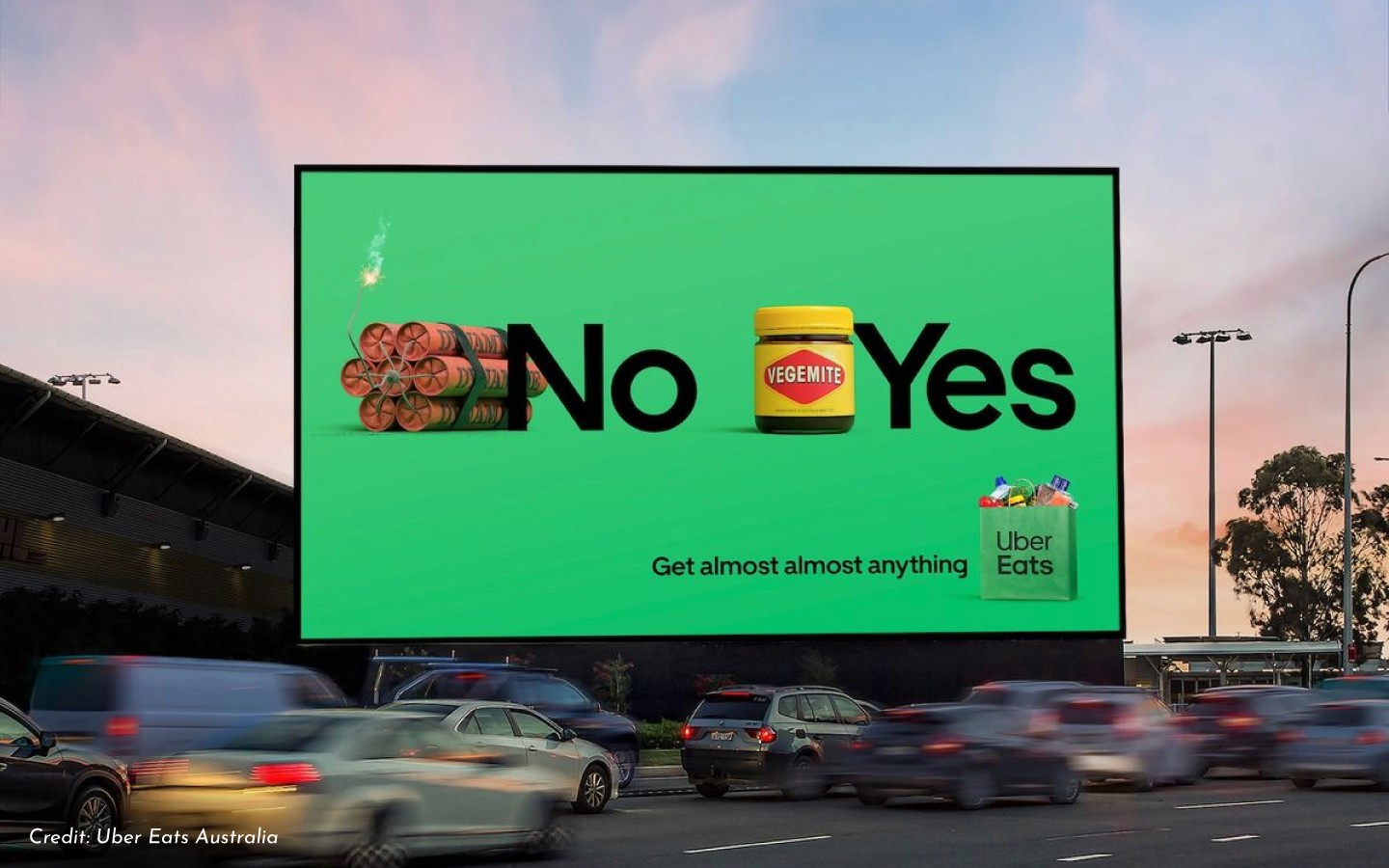
The most effective billboards communicate one idea only. Trying to explain your product, promotion, brand story, and contact details all at once weakens the message. A strong billboard answers just two questions clearly:
What is this about?
Why should I remember it?
Reach (Not Impressions)
Less text equals faster understanding. Short, direct copy is easier to read, easier to remember, and more likely to cut through visual noise.
Design for Distance and Speed
Use Bold, Easy-to-Read Fonts
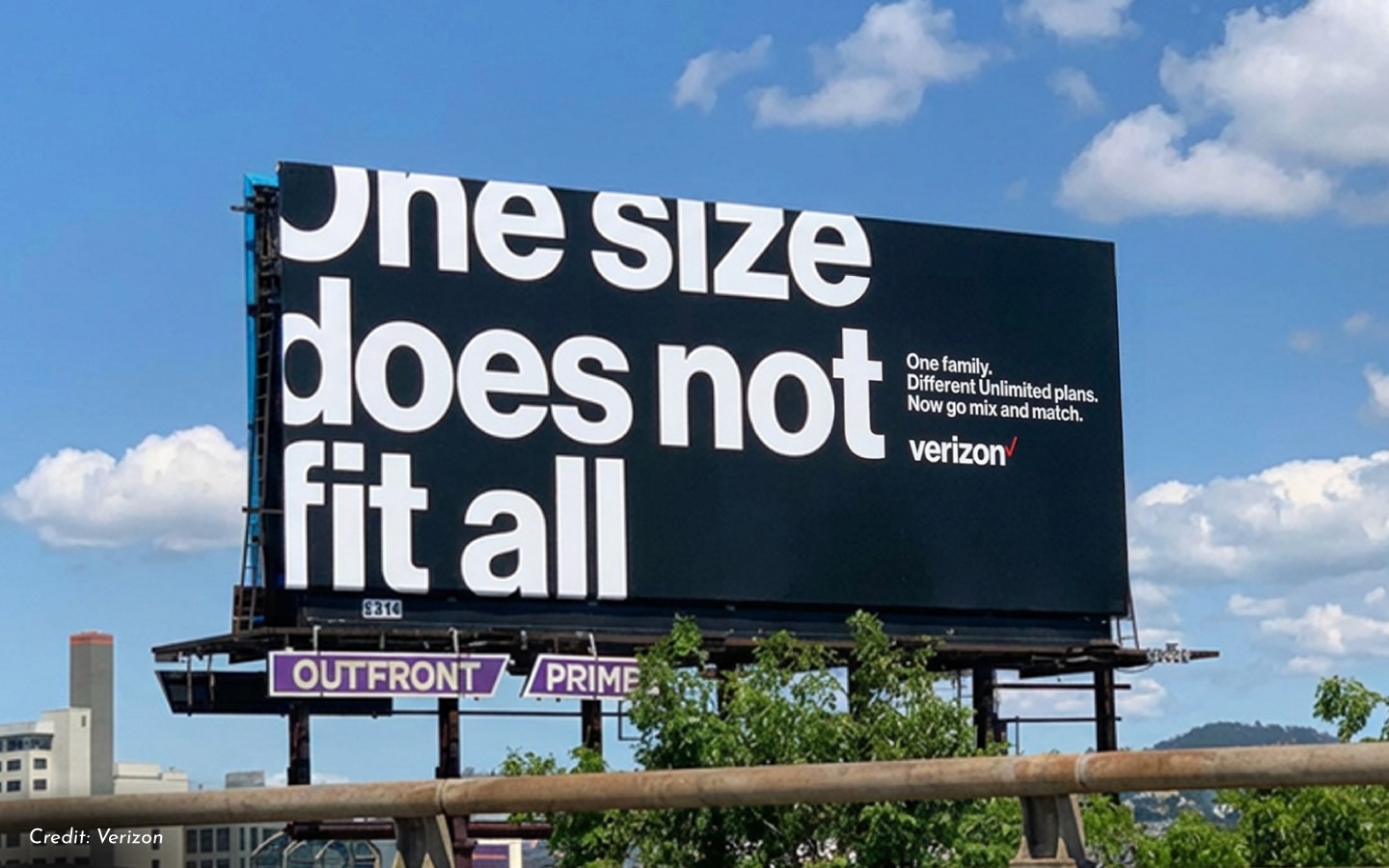
Billboards are not websites or brochures. Decorative, serif, or script fonts may look nice up close but fail at distance. Sans-serif fonts with strong weight are the safest choice because they remain legible at high speed and long viewing distances.
Create Strong Contrast
High contrast between text and background dramatically improves readability. Light text on dark backgrounds or dark text on bright backgrounds helps the message stand out in busy environments filled with buildings, vehicles, and signage.
Let Visuals Do the Heavy Lifting
Images communicate faster than words. A single, bold image can express emotion, context, or intent instantly. When visuals are strong, copy can be shorter and more impactful. Avoid cluttered images or visuals that require explanation.
Design With Visual Hierarchy in Mind
A billboard should have a clear reading order:
Main message
Supporting visual
Brand or call-to-action
Viewers should never wonder what to look at first. Size, contrast, and spacing should naturally guide the eye.
Adapt Creative to Location
Highway Billboards
High-speed locations require maximum simplicity. Messages should be bold, minimal, and readable from far away.
Avoid:
Long sentences
Small logos
Detailed graphics
Urban and Pedestrian Areas
Slower traffic allows for slightly more detail, but clarity still matters. Urban environments are visually crowded, so contrast and bold shapes are even more important.
Localise Where Possible
Referencing local landmarks, culture, or context can increase relevance and recall. A billboard that feels “made for this place” stands out more than a generic message.
Choose the Right Format
Static vs Digital Billboards
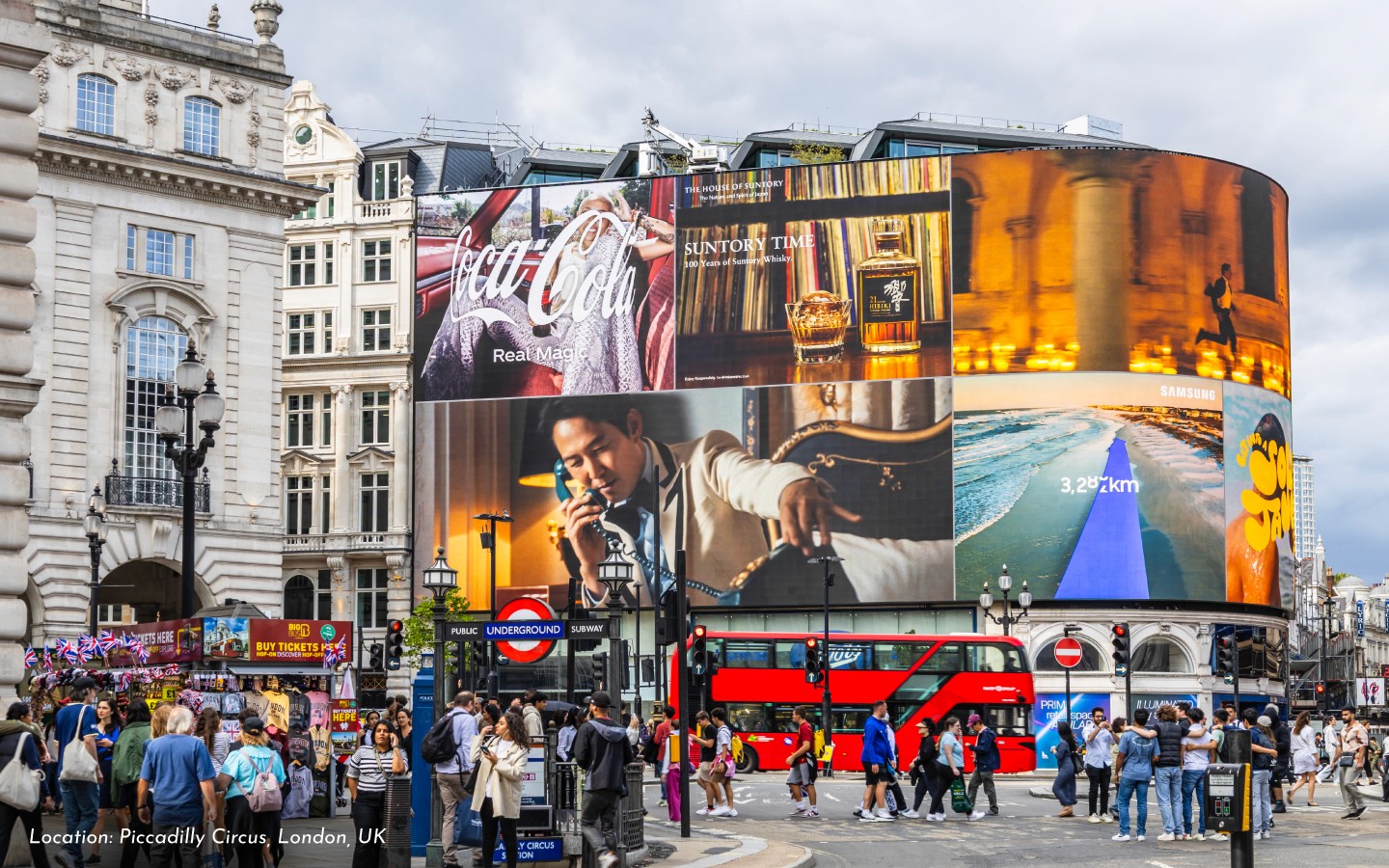
Static billboards offer constant exposure with one clear message. Digital billboards allow:
Message rotation
Time-of-day relevance
Faster creative updates
However, digital does not mean complex. Each frame still needs to follow the same simplicity rules.
Integrate Billboards With Other Channels
Billboards are most effective when they are part of a wider marketing system. Outdoor visibility increases familiarity. Consistency across channels reinforces memory and improves ROI.
Familiar brands perform better in:
Search ads
Social ads
In-store decisions
Billboards Reward Discipline
Billboard advertising moves people to take action when it respects how people actually see and process information. The best billboard campaigns are not the most creative on screen. They are the clearest, boldest, and loudest in the real world. When designed correctly, a billboard turns a few seconds of attention into long-term brand impact.