AI in Digital Marketing: What Works, What Doesn’t, and What to Watch in 2026
AI has quietly become part of everyday digital marketing. From writing assistance and ad targeting to reporting and analytics, many tools now come with AI built in, often without businesses even realising it.
For business owners, the real issue is not whether AI should be used, but how it should be used. When applied thoughtfully, AI helps teams save time, improve efficiency, and make better decisions. When used carelessly, it can result in generic content, poor customer experience, and loss of trust.
This article explains how AI is changing digital marketing in practical terms, what businesses should use AI for, and what should be handled carefully or avoided.
How AI Is Changing Digital Marketing
Better Personalisation
AI helps businesses show the right message to the right customer based on behaviour and interests. This makes emails, ads, and content more relevant and effective.
Faster Content Creation
AI tools can help draft social posts, emails, and ads quickly. This allows businesses to test ideas faster, but human review is still needed to ensure the content sounds on-brand and accurate.
Smarter Insights
AI-powered tools analyse data and highlight patterns, helping businesses make better marketing decisions and improve customer journeys.
What Businesses Should Use AI For

AI works best when it is used as a support system rather than a replacement for people. Businesses should use AI to:
Reduce time spent on repetitive tasks like reporting, scheduling, and basic content drafts
Analyse customer data and identify patterns
Test ideas quickly before investing more budget
Improve targeting and campaign efficiency
Support decision-making with data insights
Used this way, AI improves productivity and helps teams focus on strategy and creativity.
What Businesses Should Avoid When Using AI
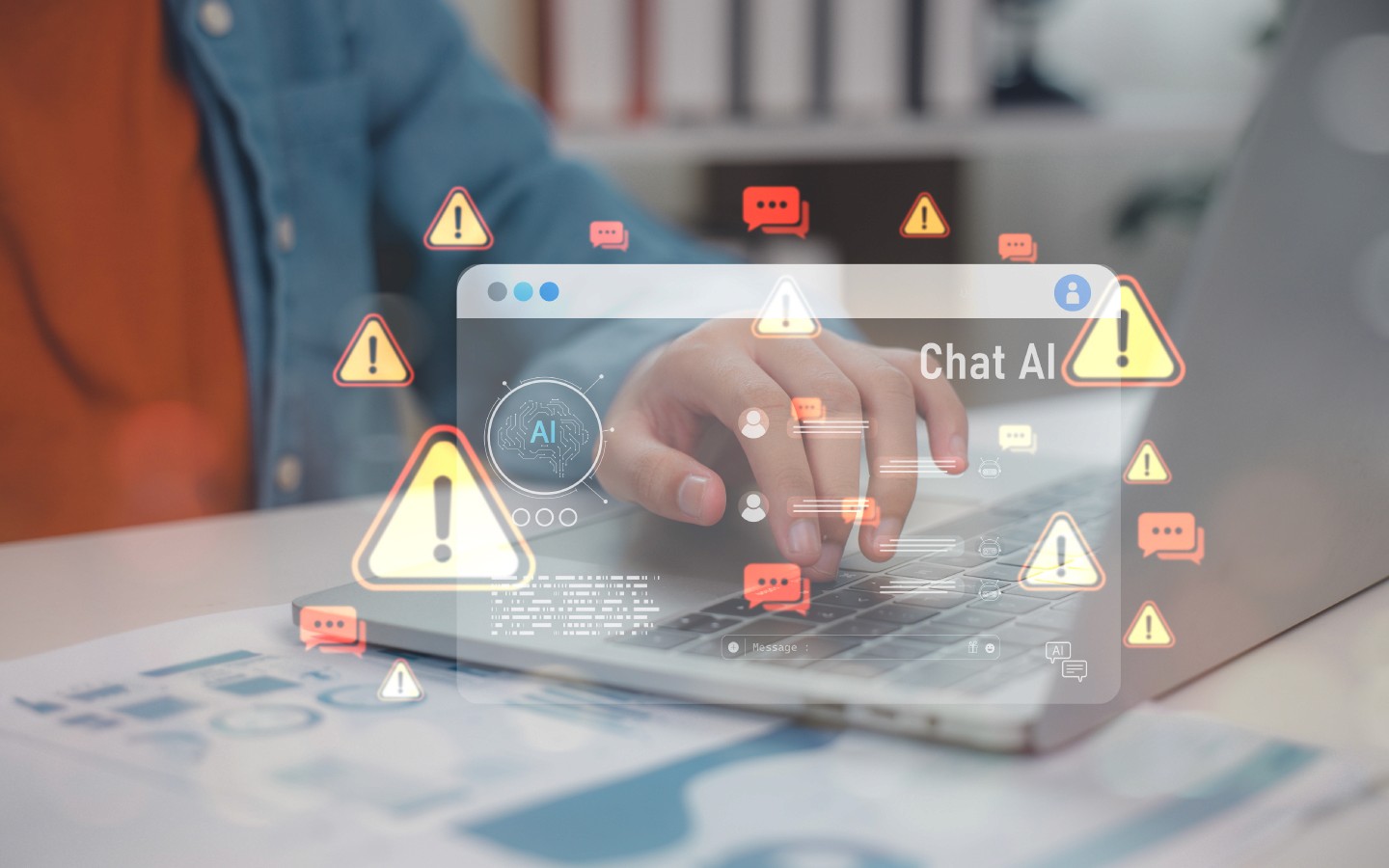
While AI is powerful, it also comes with risks if used incorrectly. Businesses should avoid:
Publishing AI-generated content without human review
Relying on AI to define brand tone, values, or messaging
Using AI to mislead, exaggerate, or overpromise
Ignoring data privacy and consent rules
Treating AI outputs as “always correct”
AI can suggest ideas, but it cannot understand context, culture, or emotions the way humans do. Final decisions should always involve human judgment.
The Future of Digital Marketing Is Human + AI
AI will continue to evolve. Tools for chatbots, video creation, translation, and predictive marketing will become more advanced and more accessible. However, AI cannot replace human understanding, empathy, and creativity. It cannot define a brand’s purpose or build genuine relationships on its own. The businesses that will be better prepared for the future are those that use AI to work smarter, while keeping people at the centre of their marketing.